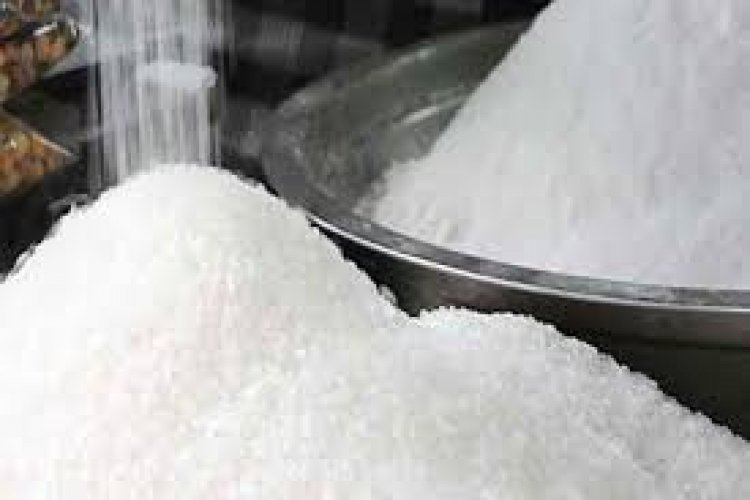
India’s 2025-26 sugar production is estimated at 29 million tonnes, 2.6 million tonnes lower than earlier estimates, due to lower sugarcane productivity in Uttar Pradesh and early flowering in Maharashtra. Lower production has tightened supplies, while fresh export approvals from the Indian government have pushed up ex-factory sugar prices.
Sugar production in India is set to fall well below earlier estimates for the 2025-26 crushing season, as a decline in cane productivity in Uttar Pradesh and early flowering in Maharashtra is impacting production.
The industry estimates total sugar production now at about 29 million tonnes – about 2.6 million tonnes less than initial expectations. At the start of the season, the industry had estimated gross production at 35 million tonnes, of which 3.4 million tonnes were set to be diverted towards ethanol, resulting in an estimated net sugar production of 31.6 million tonnes. However, latest reports from the country’s two largest sugar producing states suggest production will fall short of those estimates.
The shortage is most likely to occur in Uttar Pradesh. Sugar production in the state is now likely to reach only 9.5 million tonnes this season – slightly higher than last year’s 9.3 million tonnes, but significantly lower than the earlier estimate of 11 million tonnes.
A senior official of a major sugar mill group in the state said rural voice Sugarcane productivity has declined by 15-20% compared to last year, which itself was a weak season. Farmers in the state have been battling crop diseases and stagnant yields in recent years, which has reduced the availability of sugarcane for mills.
Crushing operations are expected to begin by the end of next month, but unlike strong crop years – when mills were running till May – most mills this season are likely to finish crushing by March due to limited cane supply.
Sugar production in Maharashtra is estimated to be around 10.2 million tonnes. Although this represents an increase of about 1.2 million tonnes over the previous year’s production, it is still lower than the earlier estimate of 11 million tonnes.
Farmer leader and former MP Raju Shetty said that early flowering of sugarcane in western Maharashtra has adversely affected the yield. Industry sources also point to a significant expansion in crushing capacity across the state, which has boosted operations.
Mechanical harvesting has further accelerated this process. About 25% of sugarcane harvested in Maharashtra this season is expected to be done using machines, which will result in a pick-up in crushing and earlier closure of mills – likely in the next few days.
In Karnataka, the country’s third-largest sugar producing state, production is estimated at around 4.2 million tonnes, while the industry’s earlier expectation was 5 million tonnes.
Despite the decline in production, the outlook for the industry has turned positive following the policy steps of the Government of India. On February 13, the Center approved the export of an additional 500,000 tonnes of sugar.
The announcement led to an increase in ex-factory sugar prices by ₹50 per quintal on 14 February. In Maharashtra, prices rose to ₹3,750 per quintal, while in Uttar Pradesh they climbed to ₹3,950 per quintal.
Sugar mills say the improvement in prices could help them speed up payments to farmers, providing some relief amid a challenging production season.