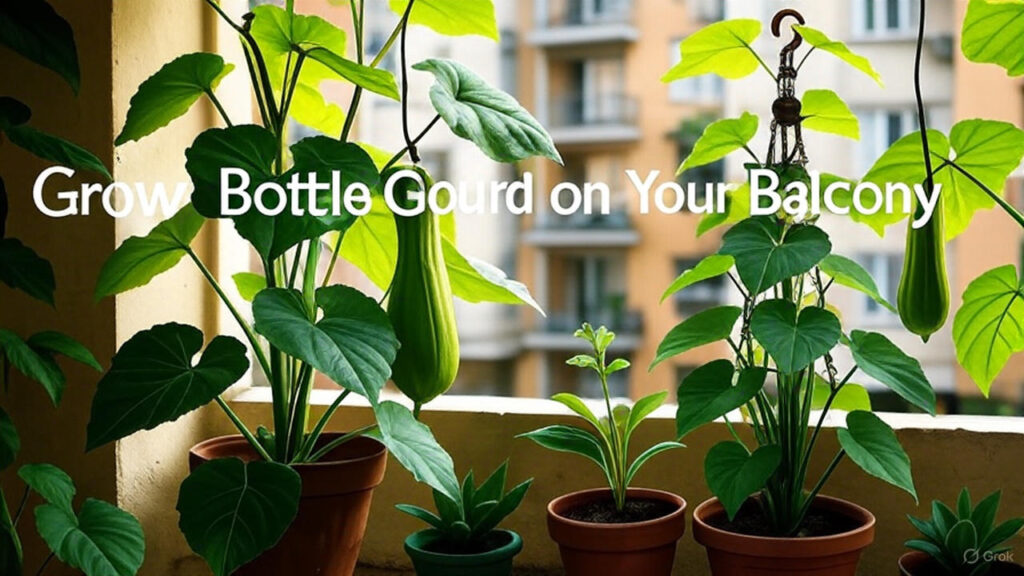
I still remember that day December 2, 2025. I am standing on my balcony in Brickell looking at my empty pots while humidity hangs heavy at 78 degrees. This event event is exactly why balcony vegetable gardening in Miami feels less like chore work and more like a hobby you can actually keep up with. Most people think you need a big yard, but Miami balcony vegetable gardening proves otherwise if you know the tricks.
I started growing vegetables on a balcony in Miami three years ago because I wanted fresh tomatoes without driving to the store in traffic.
If you are trying apartment balcony gardening Miami style, you know the heat is real yet manageable. Yet South Florida balcony vegetable gardening thrives because our winter is basically everyone else’s summer. I wrote this guide for balcony gardening in Miami to save you from the mistakes I made early on.
You might be looking into container vegetable gardening in Miami specifically because space is tight in these high rises. That works fine. Tropical balcony gardening in Miami requires specific tricks, though.
You cannot just dump soil in a pot and hope. Vegetables for a Miami balcony garden need attention to humidity and wind. Balcony gardening in Miami, Florida, is unique compared to the rest of the state.
I learned these lessons the hard way when my first crop of peppers fried in July. This guide covers everything from balcony vegetable gardening in Miami’s basics to handling hurricane season. Let’s get your hands dirty.
Honestly, Miami gardening humbles you fast.
Why Balcony Vegetable Gardening in Miami Works Year-Round

Miami has a tropical climate and is in USDA Zones 10b–11.
We sit in USDA Zones 10b and 11. This means frost is basically a myth here. I checked my thermometer last January, and it never dipped below 60 degrees. This allows for year-round gardening Miami-style that northern gardeners only dream about. You can plant seeds in December and harvest by March. The consistency helps plants establish roots without shock. Just remember that heat stress is the real enemy, not cold. One thing you notice quickly is how fast soil dries here, even in winter.
Benefits of Growing Vegetables on Miami Apartment Balconies
Living in a high-rise does not mean you lose access to fresh food. Urban gardening in Miami, Florida, lets you cut grocery bills significantly. I harvested enough cherry tomatoes last month to save about $40. There is also the mental benefit. Watching plants grow on a small space gardening Miami balcony reduces stress after work. You control what goes in your soil. No weird pesticides. Just clean food steps from your kitchen.
If you want to dig deeper into zone-specific planting windows, I put together a breakdown of South Florida gardening zones, tips, and ideas hat maps out what actually works in 10b and 11.
Best Vegetables for Balcony Vegetable Gardening in Miami
Heat-Tolerant Vegetables for South Florida Balconies
Some plants laugh at the sun. Okra and eggplant thrive when temperatures hit 95 degrees. I planted okra in June, and it kept producing through August. Peppers also handle the warm weather gardening conditions well. Avoid cool crops like peas during summer. They will melt. Stick to tropical varieties that expect the heat. This is key for Florida container vegetable success.
Fast-Growing Balcony Vegetables in Miami’s Climate
Impatience is common when you start. Radishes and arugula give quick wins. I harvested radishes 25 days after planting last spring. Green beans are another fast option. They climb trellises easily. This fits well into small-space vegetable gardening ideas. Quick harvests keep you motivated. You see progress fast. It encourages you to keep going when the heat gets tough.
Beginner-Friendly Vegetables for Miami Balconies
Start simple if you are new. Cherry tomatoes are forgiving. Herbs like basil grow like weeds here. I killed my first basil plant by overwatering, but the second one thrived with less care. Lettuce works in the winter months. These are the best vegetables for container gardening in Florida, especially for newbies. Do not start with carrots. They need deep soil and perfect conditions.
Best Leafy Greens for Balcony Gardening in Miami
Greens love our winter. Kale and Swiss chard grow huge from November to February. I harvest kale weekly in December. They bolt quickly once March hits. Plant them in partial shade if you can. This helps extend the season. Tropical balcony gardening tips often suggest shading greens even in winter. It keeps the leaves tender instead of tough.
Month-by-Month Planting Calendar for Miami Balcony Gardens
Winter Planting (December–February)
This is prime time. I planted my tomatoes on December 2, 2025. Peppers and cucumbers go in now too. The humidity is lower. Pests are less active. It is the easiest season for growing vegetables in containers year-round. You rarely need to water daily. Just watch for occasional cold snaps. Cover plants if temps drop below 50 degrees.
Spring Balcony Gardening in Miami
March and April are transition months. Heat starts building. Finish harvesting winter crops. Plant heat-lovers like eggplant now. I usually switch my soil mix in April. Nutrients get depleted by spring. This is a good time for container vegetable gardening in Florida. Refreshes. Watch out for increased bug activity. Aphids wake up when it warms.
Summer Heat Survival Planting Guide
Summer is tough. Most people stop gardening. I keep going with shade cloth. Plant Southern peas and sweet potatoes. They love the humidity. Watering is critical here. I water twice daily in July. Warm-climate balcony gardening requires vigilance. Mulch heavily to keep roots cool. Do not expect huge yields. Survival is the goal.
Fall Planting Calendar for South Florida
September and October bring relief. Rain slows down. Start seeds for winter harvest. Broccoli and cauliflower can work now. I tried broccoli last fall, and it headed nicely. This is the start of the main season. Prepare your pots now. Clean out dead summer plants. It sets you up for balcony gardening ideas and small-space success in winter.
Containers and Soil for Balcony Vegetable Gardening in Miami’s Climate
Best Containers for Humid Miami Weather
Plastic pots retain moisture better than terracotta. Terracotta dries out too fast in our wind. I use black plastic nursery pots inside decorative containers. They are cheap and effective. Ensure they have holes. Florida container gardening guide advice always stresses drainage. Without holes, roots rot instantly. I learned these lessons after losing three pepper plants in 2023.
Ideal Pot Sizes for Balcony Vegetables
Size matters for root health. Tomatoes need at least 5 gallons. Herbs do fine in 1 gallon. I use rectangular planters for greens to save space, especially on narrow balconies where every inch matters. This design maximizes small balcony gardening ideas. Deep pots are better than wide shallow ones. Roots go down, not out. Check weight limits if you are on a high floor. Wet soil is heavy.
Best Soil Mix for Miami Balcony Gardening
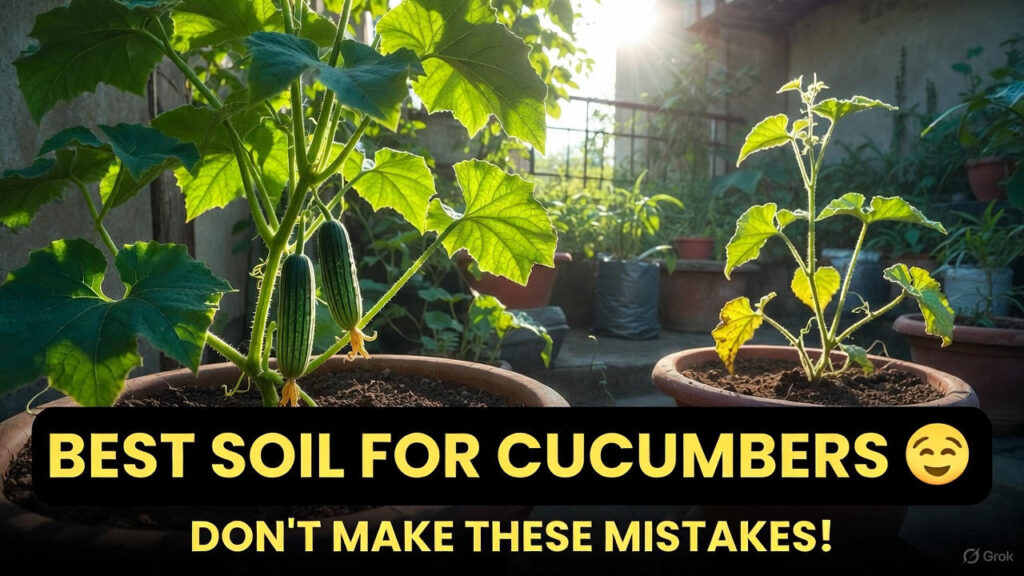
Do not use garden soil. It compacts in pots. I use a mix of peat, perlite, and compost. Add slow-release fertilizer. The humidity breaks down nutrients fast. I refresh topsoil every season. This keeps organic balcony gardening practices in Miami effective. Good soil prevents many disease issues. It is worth spending extra on a quality mix. It took me a while to figure out the right ratio.
Drainage Tips for Rainy South Florida Balconies

Here, the rain falls heavily and swiftly. Elevate your pots on bricks. This lets water escape freely. I lost a crop once because saucers filled up. Roots sat in water for days. They turned black and smelly. Use pot feet or stand them on a rack. Balcony gardening tips South Florida climate always mentions elevation. It saves your plants during thunderstorms.
Sunlight and Balcony Direction Tips for Miami Apartments
How Much Sun Do Balcony Vegetables Need in Miami?

Most veggies need 6 hours of direct sun. Tomatoes need more. Peppers need less. I track sun patterns on my balcony using an app. South exposure is best. East gets morning sun, which is gentler. The west gets harsh afternoon heat. Know your light before buying seeds. This answers how much sun balcony vegetables need in Miami.
North vs. South-Facing Balconies in Miami
South-facing balconies get all-day light. This is ideal for fruiting plants. North-facing spots are shaded. Grow leafy greens there. I have a friend in Brickell with a north balcony. She grows only herbs and lettuce. It works well for her. Match plants to your light. Do not force tomatoes into deep shade. They will not fruit.
Growing Vegetables on Shaded Miami Balconies
Shade is not a dealbreaker. Microgreens thrive in low light. Spinach does okay too. I use reflective surfaces to bounce light. White walls help brighten dark corners. Growing vegetables in small Miami apartments often means dealing with shade. Use grow lights if needed. LED strips work well for herbs. It extends your growing options significantly.
Watering Balcony Vegetable Gardens in Miami Heat and Humidity
How Often Should You Water Balcony Plants in Miami?
Frequency changes with seasons. Summer needs daily watering. Winter might need twice a week. Stick your finger in the soil. If it is dry one inch down, water it. I check my plants every morning at 7 AM. This routine answers how often to water balcony plants in Miami heat. Consistency prevents shock. Plants wilt less when watered regularly.
Rainy Season Watering Tips
June to September is wet. Skip watering if it rained. Check soil moisture first. Sometimes rain does not penetrate pots. I use a moisture meter to be sure. It prevents guessing. Humid-weather gardening also means watching for fungus. Wet leaves invite disease. Water the soil, not the leaves. Keep foliage dry during rainy months.
Preventing Root Rot in Humid Weather
Root rot kills more plants than heat. Ensure airflow around pots. Do not crowd them together. I space my pots out during August. This helps air circulate. Use soil with perlite for aeration. If leaves turn yellow, check roots. They should be white, not brown. Preventing root rot in humid weather is about balance. Too much water is worse than too little.
Balcony Vegetable Gardening in Miami Microclimates
Coastal Miami Balconies (Salt Air Tips for Miami Beach & Brickell)
Salt air burns leaves. I rinse my plants with fresh water weekly. This washes off salt residue. Choose salt-tolerant varieties if you are near the ocean. I live near the bay and see leaf burnss often. Wiping leaves helps too. Coastal Miami balconies need extra care. Metal pots corrode faster here. Use plastic or fiberglass instead.
Inland Miami Areas (Kendall, Doral, Hialeah Growing Tips)
Inland areas get hotter. Kendall feels warmer than the beach. Humidity sits heavier there. Watering needs increase inland. I have a cousin in Doral who waters three times a day in July. Wind is less of an issue inland. But heat buildup is higher. Inland Miami areas require more shade cloth. Plan for higher temperatures in your schedule.
High-Rise Balcony Wind Protection in Downtown Miami
Wind increases with height. Downtown Miami balconies get gusty. Secure tall plants. I tie my tomato cages to the railing. Pots can blow over in storms. Use heavy pots or weigh them down. High-rise balcony wind protection is safety critical. Check railings for stability. Do not hang heavy items over the edge. It is dangerous for people below.
Managing Miami Heat Index for Balcony Vegetable Gardening
Growing Vegetables in 90°F+ Miami Summers
The heat index often hits 100 degrees. Plants stop producing fruit then. I focus on leaf production in summer. Fruit set fails in extreme heat. Shade cloth is mandatory. I use 30 percent shade cloth. It lowers temperature significantly. Growing vegetables in 90°F+ Miami summers requires adaptation. Accept lower yields. Focus on keeping plants alive.
Using Shade Cloth on Miami Balconies

Attach shade cloth to the railing. Use zip ties or clips. Make sure it does not block all light. I install mine in May and remove it in October. It creates a microclimate. Temperatures drop by 10 degrees underneath. Using shade cloth on Miami balconies is a game changer. It prevents sunburn on peppers. Your hands will thank you, too.
Preventing Heat Stress in Container Vegetables
Mulch helps retain moisture. I use straw or wood chips. This keeps roots cool. Water in the early morning. Evening watering invites fungus. Preventing heat stress in container vegetables is about timing. Move pots to shade during heat waves. I move my herbs indoors during extreme heat alerts. It saves them from cooking in the pot. I almost quit balcony gardening that summer.
Hurricane-Proof Balcony Vegetable Gardening in Miami
Securing Containers Before Hurricane Season
June 1st starts hurricane season. I check all pots by May 25. Heavy pots stay put. Light pots come inside. I tie down large planters. Securing containers before hurricane season is non-negotiable. A flying pot is a projectile. Check local building rules too. Some condos require empty balconies during storms. Plan ahead for storage.
Lightweight Pots for Balcony Safety
Use lightweight materials for safety. Fiberglass is strong but light. Plastic is okay too. Avoid heavy ceramic on high floors. I switched to fabric pots last year. They are safe and drain well. Lightweight pots for balcony safety reduce risk. If they fall, they cause less damage. Prioritize safety over aesthetics during storm season.
Moving Balcony Plants Indoors During Storms
Have a plan for evacuation. I clear a spot in my living room. Small plants go on the floor. Large plants stay secured outside. I move them when tropical storm warnings are issued. Moving balcony plants indoors during storms saves them. Bring them back out after winds drop. Check for damage before resuming care.
Miami Balcony Garden Pests and Wildlife to Watch
Iguanas and Balcony Gardens in South Florida

Iguanas love hibiscus and veggies. I lost a whole eggplant plant last year. They climb railings easily. Use netting to protect crops. I spray water to scare them off. Iguanas and balcony gardens in South Florida are a real issue. They are protected, so do not hurt them. Just deter them from eating your food.
Ants, Whiteflies, and Aphids in Miami
Bugs are constant here. Whiteflies swarm in summer. I use neem oil spray. It works organically. Ants farm aphids sometimes. Check under leaves regularly. Ants, whiteflies, and aphids in Miami are common pests. Catch them early. Blast them off with a water hose first. Chemicals are a last resort for me.
I also swear by marigolds as a natural pest deterrent — if you’re wondering when to get them in the ground, check out my notes on when to plant marigolds in Florida for the best results.
Mosquito Prevention for Balcony Gardens
Standing water breeds mosquitoes. Empty saucers daily. I add sand to saucers to absorb water. This stops larvae from growing. Mosquito prevention for balcony gardens keeps neighbors happy. Use mosquito dunks in large pots. It kills larvae safely. Do not let water sit around your seating area. Enjoy your garden without bites.
Space-Saving Ideas for Small Miami Balcony Gardens
Vertical Balcony Gardening in Miami Apartments

Go up, not out. Use trellises for beans. Hang baskets for herbs. I built a wooden pallet wall for greens. It holds six pots vertically. Vertical balcony gardening in Miami apartments maximizes space. It keeps things organized. Airflow is better too. Plants get more light this way.
Hanging Vegetable Gardens for Small Balconies
Hang tomatoes from the ceiling. Strawberries do well in hanging baskets. I use S-hooks on the railing. This frees up floor space. Hanging vegetable gardens for small balconies look great too. Ensure hooks are secure. Wind can shake them loose. Check hardware monthly for rust.
Compact Layouts for Urban Miami Living
Plan your layout carefully. Leave walking space. I use a grid system on paper first. Group plants by water needs together. Compact layouts for urban Miami living make maintenance easier. Do not overcrowd. Plants need air. Measure your balcony before buying pots. It prevents returns and frustration.
Common Mistakes in Balcony Vegetable Gardening in Miami
Overwatering in Humid Weather
This is the number one killer. I killed my first basil by loving it too much. Soil stays wet longer here. Check before watering. Overwatering in humid weather leads to rot. Let soil dry slightly between drinks. Trust the finger test. It is more reliable than a schedule.
Choosing the Wrong Plants for Tropical Balconies
Do not plant apples here. They need chill hours. Stick to tropical crops. I tried growing carrots once. They rotted in the heat. Choosing the wrong plants for tropical balconies wastes time. Research zone compatibility first. Ask local nursery staff for advice. They know what works now.
Ignoring Salt Air and Wind Exposure
Wind dries plants fast. Salt burns leaves. I ignored this my first year. Leaves turned brown at the edges. Ignoring salt air and wind exposure hurts yields. Rinse plants regularly. Use windbreaks if possible. Mesh screens help block salt spray. Protect your investment from the elements.
Balcony Vegetable Gardening in Miami for Beginners (Quick Start)
Simple 5-Step Beginner Plan
Start by picking a sunny spot. Grab some 5-gallon pots. Buy quality soil next. Plant tomatoes or peppers. Water daily. I followed this list when I started. It kept things simple. A simple 5-step beginner plan reduces overwhelm. Do not buy too many tools. Start small and expand later.
First Plants to Grow on a Miami Balcony
Start with cherry tomatoes. They produce fast. Basil is another easy win. Peppers are hardy too. The first plants to grow on a Miami balcony should be forgiving. Avoid root vegetables initially. They need more skill. Fruiting plants give visible rewards. You see flowers, then fruit. It is satisfying for new growers.
Beginner Container Gardening Tips
Label your plants. I use popsicle sticks. Track when you planted seeds. This helps next year. Beginner container gardening tips include keeping notes. Take photos of growth. It helps identify issues later. Join local gardening groups online. People share timely advice there. Community helps you learn faster. I say keep it simple, but I still experiment every season. Some weeks everything thrives, and then suddenly one plant crashes for no clear reason.
If you want backup from the local experts, the UF/IFAS Extension team in Miami-Dade shares home garden tips tailored to our exact climate — I check their updates before trying anything new.
Common Questions Asked by Miami Balcony Gardeners
1. What vegetables grow well on a Miami balcony?
Tomatoes, peppers, and okra thrive here. Herbs like basil grow year-round. Leafy greens work in winter. Choose heat-tolerant varieties for summer.
2. Can you grow vegetables year-round in Miami?
Yes, that’s actually one of the biggest perks of Miami gardening. Our climate allows continuous planting. Winter is best for greens. Summer requires shade cloth. You can harvest every month if you plan it right.
3. How much sun do balcony vegetables need in Miami?
Most need 6 hours of direct light. Tomatoes need more. Greens tolerate shade. Track your balcony exposure.
4. Best soil for balcony gardening in Miami?
Grab a light potting mix with perlite. Regular garden soil turns into concrete in Miami humidity. Mix in some compost for nutrients. Just ensure good drainage, or roots will rot.
5. How often to water balcony plants in Miami heat?
Daily in summer. Twice weekly in winter. Check soil moisture first. Adjust for rain.
6. Balcony gardening tips for the South Florida climate?
Elevate pots for drainage. Use shade cloth in summer. Watch for iguanas. Secure pots for storms.
7. What herbs grow on a Miami balcony?
To be frank, basil is the easiest win here. Mint, cilantro, and rosemary do well too. Just keep mint in separate pots, or it takes over. Harvest regularly to keep them bushy.
8. How to grow vegetables in small Miami apartments?
Use vertical space. Hang baskets. Choose compact varieties. Maximize light exposure.
Final Thoughts on Balcony Vegetable Gardening in Miami
You can grow food anywhere in this city. It takes observation and adjustment. I still learn new things every season. Balcony vegetable gardening in Miami rewards patience. Start with one pot this week. See how it goes. Expand when you feel ready. The taste of homegrown food is worth the effort. Enjoy the process and the harvest.