If you are thinking about growing vegetables in Houston, you already know the heat hits different here. This Houston vegetable gardening guide is built on messy lessons and the successes that followed. Many people ask how to grow vegetables in Houston without losing their mind or their seedlings to the humidity.
Vegetable gardening in Houston starts with understanding that our seasons flip compared to the rest of the country. You know what I mean.
Houston gardening for beginners means you plant cool crops in fall and watch them thrive while others are shutting down. Gardening in Houston, Texas, offers a unique window for winter production that many envy. Your Houston home vegetable garden can produce food twelve months a year if you time it right.

I still remember checking my backyard gardening plot in Houston last February and finding perfect kale while my friends up north were shoveling snow. Crazy, right?
Houston climate vegetable gardening requires respect for the Gulf Coast humidity and the heavy clay underneath us. You need specific Houston vegetable-growing tips to handle the sudden storms and the intense sun.
I have walked gardens from Katy to the Inner Loop and seen what works when the thermometer spikes. Some summers feel personal. The soil smelled sour after the floodwater sat for days back in 2017. That smell stays with you. Honestly.
This guide covers the real stuff you need to know to keep plants alive here. Big box seedlings rarely survive Houston summers. You need local starts or seeds. Let’s dig in.
Why Growing Vegetables in Houston Is Unique
Houston gardening zones explained (USDA Zone 9a–9 b)
We sit firmly in USDA Zones 9a and 9b, which means frost is rare but not impossible. I lost a batch of peppers to a surprise freeze in January 2024 that dropped to 28°F near Bush Airport. Knowing your specific zone helps you decide when to cover plants or bring pots inside. Most seeds here germinate fast because the soil stays warm longer than in North Texas. It’s a small thing, but it matters.
Gulf Coast humidity and heat challenges for vegetables
The humidity here wraps around you and stays on your plants all night long. Fungal issues pop up quickly when leaves stay wet after evening watering sessions. I noticed my squash developing powdery mildew faster in July than during the drier springs. You have to air out your garden rows to let the breeze move through the foliage. Otherwise, you’re fighting a losing battle.
Houston soil types (clay soil vs sandy soil gardening)
Before you dig in, it helps to understand the bigger picture of Texas soil and farmland basics since Houston’s clay sits within a larger regional pattern.

Digging a hole in Houston often feels like breaking concrete because of the heavy clay content. Some areas near the coast have more sandy soil, which drains faster but holds fewer nutrients. I amended my bed in Spring Branch with gypsum to break up the hardpan layers underneath. Mixing compost into clay makes a huge difference for root penetration. Clay soil teaches patience whether you like it or not. Trust me on this.
Why Southeast Texas is ideal for year-round gardening
Our long growing season lets you harvest crops when other states are frozen solid. I pulled carrots in December last year that tasted sweeter after the cold snap. Southeast Texas vegetable gardening offers a unique window for winter production that many envy. You just need to protect plants during the few weeks of extreme cold. That’s the trick anyway.
Quick Start Guide to Growing Vegetables in Houston (Beginner-Friendly)
5-step beginner plan for Houston vegetable gardening
Start small with three containers or one raised bed to manage workload. Choose seeds labeled for heat tolerance since standard varieties often fail here. Water early in the morning to reduce evaporation loss during the day. I suggest tracking your planting dates in a notebook so you remember what worked. Mulch heavily to keep soil temperatures stable during sudden weather shifts. Simple but effective.
First vegetables to grow in Houston’s climate
Tomatoes and peppers are popular, but okra is actually easier for new growers. Leafy greens like collards handle our mild winters better than fragile lettuce. I always tell neighbors to start with radishes because they show results in three weeks. Herbs like basil and mint grow aggressively without much help from you. Seriously, mint takes over.
Simple Houston planting timeline for beginners
Plant cool-season crops in September and warm-season crops after March 15. This Houston planting calendar approach avoids the worst of the summer scorch. I missed this window once and watched my beans wilt before producing pods. Stick to the local rhythm instead of what seed packets say for national averages. Learn that lesson early.
Common beginner mistakes in Houston gardening
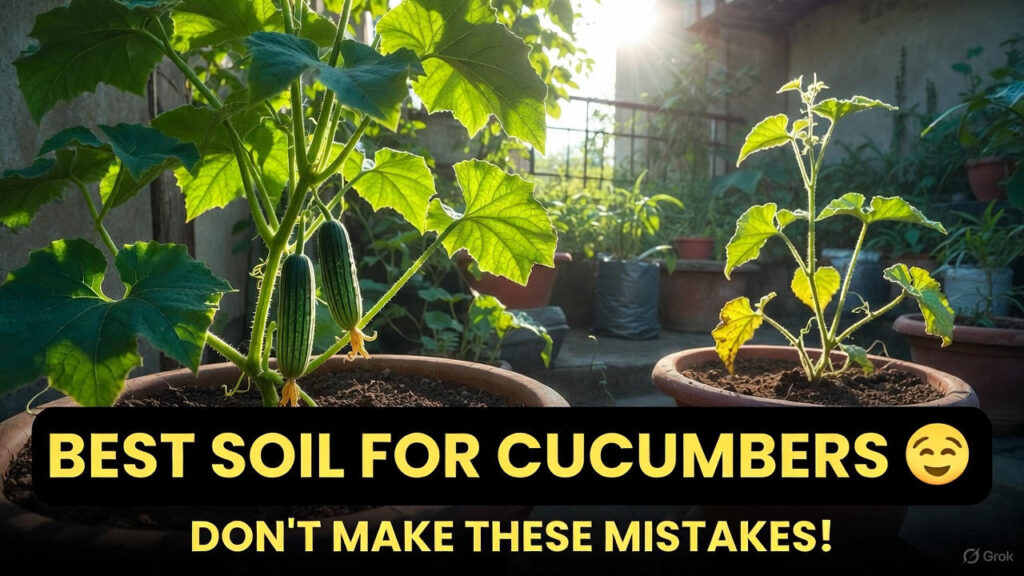
Planting too early in spring exposes tender seedlings to late frost risks. Overwatering is a huge issue because people forget how much rain we get in April. I killed my first cucumber patch by drowning the roots during a wet week. Ignoring soil drainage leads to rot faster than you might expect. It happens to everyone.
Best Seasons for Growing Vegetables in Houston Year-Round
Houston spring vegetable planting calendar
March and April are your prime time for tomatoes and squash varieties. The weather is warm enough for growth but not hot enough to stress plants yet. I planted my Cherokee Purples on March 20 last year, and they set fruit perfectly. You need to harvest before the June heat arrives to save the vines. Timing is everything here.
If you’re zeroing in on tomatoes, our guide on when to plant tomatoes in Texas breaks down timing that actually works for Gulf Coast springs.
Fall gardening in Houston (best growing season)
September is actually the best month to start a garden here despite the heat. The soil is warm, which helps germination while air temperatures cool down later. I get my best broccoli heads from plants started in mid-October. Pest pressure drops significantly compared to the spring growing cycle. It’s the secret season.
Summer vegetable gardening in Houston heat
Only specific crops survive the July and August temperatures without shade cloth. Okra and Southern peas thrive when everything else goes dormant. I keep a patch of sweet potatoes going through summer because they love the heat. Watering needs double during this time to prevent blossom drop. It’s a lot but worth it.
Mild winter vegetables for Houston gardens
Kale and spinach can survive our winters with minimal protection most years. I harvested collard greens all through January during the 2023 season. Row covers are useful when temperatures dip below freezing for nights in a row. Root vegetables like carrots and beets sweeten up after a light frost. That’s the bonus nobody expects.
Potatoes are a fun winter crop here, and if you want specifics, check our breakdown of when to plant potatoes in Texas for zone 9 timing.
Houston Planting Calendar (Month-by-Month Vegetable Guide)
January–March Houston planting schedule
Focus on transplanting cool-season crops and starting warm-season seeds indoors. I start my pepper seeds in February under grow lights to get a head start. By March you can direct sow beans and corn into the ground. Watch out for late freezes in March that can damage early tomatoes. They sneak up on you.
April–June vegetable planting in Houston
This is the last call for warm-season crops before the brutal heat sets in. Plant okra and eggplant now so they establish before July. I try to finish all major planting by June 1 to avoid seedling stress. Harvest spring crops heavily during May before quality declines. Don’t wait too long.
July–September heat-resistant planting ideas
Gardening slows down, but you can still plant heat lovers like Armenian cucumbers. I use shade cloth over my beds to keep soil temperatures manageable. Southern peas and lima beans are reliable producers during these months. Prepare your soil in August for the main fall planting rush. Get ahead while you can.
October–December Houston winter gardening plan
Beets love our mild falls, and if you’re curious about growing beets in Texas gardens, we’ve got timing tips that match Houston’s rhythm.
This is the second spring for Houston gardeners with cool-weather crops. Plant lettuce and brassicas in October for winter harvests. I cover my beds with plastic during heavy rain events in November. December is for maintenance and harvesting stored root crops from the ground. Quiet but productive.
Best Vegetables to Grow in Houston for Beginners
Easy vegetables that grow well in Houston, Texas
Okra is king here because it laughs at the humidity and heat. Swiss chard holds up better than spinach when temperatures rise in May. I always have a row of green onions because they regenerate after cutting. Zucchini grows fast, but watch for vine borers in the summer. They’re sneaky little pests.
Fast-growing vegetables for Houston backyards
Radishes and arugula give you quick wins within a month of planting. I use these as gap fillers between slower-growing tomato plants. Bush beans produce heavily in a short window during spring and fall. Mustard greens sprout quickly and add spice to your kitchen meals. Quick rewards keep you motivated.
High-yield vegetables for Houston home gardens
Tomatoes produce pounds of fruit if you choose the right varieties. I got over 20 pounds from a single Celebrity plant last season. Eggplants also produce steadily throughout the warm months. Peppers keep producing until the first hard frost kills the plant. That’s the payoff you want.
Native Southern vegetables that thrive in Houston
Black-eyed peas and crowder peas are adapted to our soil and climate. I grow purple hull peas every summer because they need little care. Collards are a staple that handles our winter weather perfectly. Sweet potatoes vine out and cover the ground, suppressing weeds naturally. Let the plants do the work.
Best Vegetable Varieties That Perform Well in Houston
Tomato varieties for Houston humidity
Look for varieties labeled VFN resistant to fight off local soil diseases. Celebrity and Better Boy are reliable choices for our humid conditions. I grew Solar Fire tomatoes last year specifically for their heat-setting ability. Cherry tomatoes generally produce better than large beefsteaks in our climate. Smaller fruits, bigger success.
Heat-tolerant peppers for Southeast Texas
Jalapeños and serranos thrive here without much intervention from you. I had a habanero plant survive two summers in a large pot. Bell peppers struggle more than hot varieties during high humidity spells. Plant them in full sun for the best fruit production. Sun equals flavor here.
Okra, Southern peas, and Gulf Coast favorites
Clemson Spineless okra is the standard for a reason in this region. I harvest okra every other day during peak season to keep them tender. Purple Hull peas are a summer staple in my garden beds. These crops handle the clay soil better than delicate greens. Tough plants for tough conditions.
Bolt-resistant greens for Houston weather
Slow-bolt lettuce varieties are essential for extending the spring harvest. I use Salanova lettuce because it holds shape longer in warmth. Spinach needs to be planted early in fall to mature before heat hits. Kale varieties like Lacinato survive our winters better than others. Pick the right variety, and you’re halfway there.
Growing Vegetables in Houston Backyards
How to prepare Houston clay soil for vegetable gardening
Break up the hardpan by tilling or digging deep before planting season. I add aged manure and compost to improve texture and drainage. Gypsum helps loosen the clay without changing soil pH levels. Raised beds are often easier than fighting the native ground directly. Sometimes the easy way is the smart way.
Raised bed vegetable gardening in Houston

Building beds 12 inches high helps with drainage during heavy rain events. I use cedar wood for my frames because it resists rot here. Fill them with a mix of topsoil and compost for best results. Not fancy, but it works. Raised beds just warm up faster in spring. That’s all you need to know.
Companion planting strategies for Houston gardens
Plant marigolds near tomatoes to deter nematodes in the soil. I grow basil next to peppers to improve flavor and repel flies. Corn, beans, and squash form the three sisters guild that works well here. Avoid planting potatoes near tomatoes to prevent disease spread. Old tricks still work.
Mulching techniques for Houston humidity
Use straw or pine needles to keep moisture in and weeds out. I avoid heavy wood chips around stems to prevent rot issues. Mulch helps regulate soil temperature during sudden heat spikes. Reapply mulch after heavy storms wash it away from beds. It’s a never-ending job but necessary.
Growing Vegetables on Houston Balconies and Apartments

Balcony vegetable gardening in Houston apartments
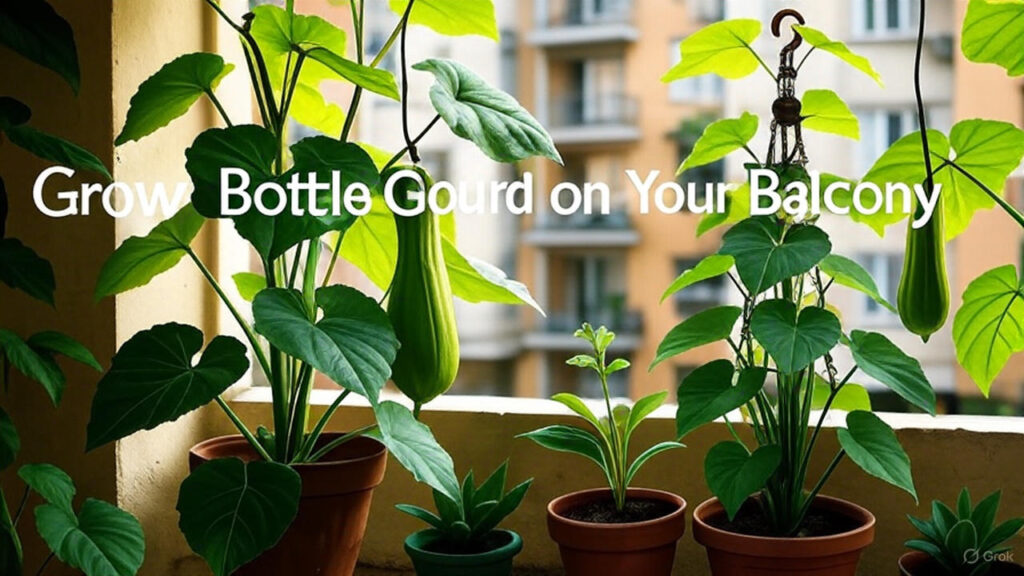
Containers are different. They dry fast. I grow cherry tomatoes in 5-gallon buckets on my second-floor deck. Wind exposure can damage tall plants, so stake them securely. Use saucers under pots to protect balcony surfaces from water stains. Small space, big rewards.
Best containers for hot Houston climates
Light-colored pots reflect sun and keep roots cooler than black plastic. I switched to fabric pots, which air prune roots and prevent overheating. Terracotta breathes well but dries out very fast in July. Ensure every container has drainage holes to prevent root rot. Drainage is non-negotiable.
Heat-tolerant vegetables for Houston balconies
Herbs like rosemary and thyme handle container heat very well. I grow eggplant in pots because it likes warm roots. Peppers do excellent in containers if fed regularly with liquid fertilizer. Avoid large squash varieties that need too much root space. Work with your space, not against it.
Sun and wind exposure in Houston high-rises
South-facing balconies get intense sun that can scorch leaves quickly. I move sensitive plants to shade during afternoon heat waves. Wind dries out soil faster, so group pots together for humidity. Check upper floors for stronger winds that might knock plants over. Location matters more than you think.
Growing Vegetables in Houston Without a Yard
Rooftop vegetable gardening in Houston
Weight limits are critical, so use lightweight soil mixes on roofs. I consulted a structural engineer before loading my rooftop with beds. Wind is stronger up high, so use trellises for support. Access to water is harder, so install drip systems if possible. Plan ahead or pay later.
Vertical gardening ideas for small Houston spaces
Use trellises to grow cucumbers and beans upward to save space. I hang planters on railings to maximize square footage. Pocket gardens work well for herbs and lettuce on walls. This keeps plants off the hot concrete floors of patios. Think up, not out.
Indoor vegetable gardening in Houston apartments
Grow lights are necessary for edibles inside without strong south windows. I keep a small herb garden under LED lights in my kitchen. Microgreens are easy to grow on countertops year-round. Watch out for pests like fungus gnats in indoor soil. Indoor gardening has its own quirks.
Windowsill herbs for Houston homes
Basil and chives grow well on sunny windowsills inside. I harvest windowsill cilantro before it bolts in the heat. Rotate pots weekly so all sides get equal light exposure. Keep leaves away from hot glass during summer afternoons. Small details make the difference.
Watering Strategies for Growing Vegetables in Houston Heat
How often to water vegetables in Houston summer
Daily watering is often needed in July and August for containers. I water in the early morning to reduce evaporation loss. Ground beds need deep soaking less frequently than pots. Check soil moisture with your finger before adding more water. Your finger is the best tool you have.
Drip irrigation for Houston home gardens
Drip systems save time and reduce leaf wetness that causes disease. I installed a timer system so I don’t forget during vacation. Emitters deliver water directly to roots where it is needed most. This method conserves water during drought restrictions. Set it and forget it mostly.
Rainy season gardening tips (Houston storms)
Heavy rain can compact soil and wash away nutrients quickly. I cover beds with plastic during forecasted thunderstorms. Ensure drainage ditches are clear before storm season starts. Check plants for damage after high wind events pass through. Storms are unpredictable, so stay ready.
Water conservation during Texas droughts
Collect rainwater in barrels to use during dry spells. I mulch heavily to reduce evaporation from the soil surface. Group plants with similar water needs together to optimize usage. Water deeply and less often to encourage deep root growth. Every drop counts here.
How to Protect Vegetables from Extreme Houston Heat
Shade cloth strategies for Houston gardens

Shade cloth is the most underrated tool in Houston gardening. Use 30 percent shade cloth to reduce intensity without blocking light. I put up temporary structures during heatwaves over sensitive crops. Remove cloth in fall when the sun angle lowers naturally. Secure the cloth well so wind does not tear it away. Simple setup, big payoff.
Heat-resistant vegetables for Houston summers
Focus on crops that naturally thrive in high temperatures. I rely on okra and sweet potatoes when temps hit 100 degrees. Eggplant and peppers also handle heat better than greens. Plan your garden layout around these tough varieties for summer. Work with nature, not against it.
Preventing blossom drop in Houston heat
High night temperatures cause tomatoes to drop flowers without setting fruit. I water consistently to keep plants from stressing during heat spikes. Choose varieties bred for heat setting to improve success rates. Shade cloth helps lower temperatures enough to save blossoms. Consistency beats perfection here.
Saving plants during 100°F Texas heatwaves
Water deeply before the heatwave hits to hydrate roots fully. I mist foliage in extreme cases to cool plants down temporarily. Move containers into shade during the hottest part of the day. Accept some loss and focus on keeping plants alive rather than producing. Survival first, harvest second.
Cucumbers can work if you time them right, and our notes on planting cucumbers in Texas heat show you how to beat the worst of July.
Pest and Disease Problems in Houston Vegetable Gardens
Common Houston garden pests (aphids, caterpillars, fire ants)
Aphids cluster on new growth and suck sap from plants regularly. I see hornworms stripping tomato leaves every summer without fail. Fire ants build mounds in dry soil and sting when disturbed. Check undersides of leaves weekly for early signs of infestation. Catch them early or regret it later.
Organic pest control for Houston gardeners
Neem oil works well on soft-bodied insects like aphids. I handpick caterpillars off plants in the early morning. Diatomaceous earth helps control crawling pests around plant bases. Encourage beneficial insects like ladybugs to hunt pests for you. Let nature help you out.
Fungal diseases in humid Houston weather
Powdery mildew appears as white dust on leaves during humidity. I prune lower leaves to improve air circulation around plants. Copper fungicide treats existing infections on edible crops safely. Avoid overhead watering to keep foliage dry at night. Dry leaves mean fewer problems.
Natural remedies for Houston garden pests
Soap spray knocks down aphids without harsh chemicals. I use beer traps to catch slugs that eat seedlings. Garlic spray repels many insects due to its strong scent. Rotate crops yearly to break pest life cycles in soil. Old-school methods still work wonders.
Soil Improvement Tips for Growing Vegetables in Houston
Composting in Houston weather
Heat speeds up decomposition, so compost piles cook fast here. I turn my pile every two weeks to add oxygen. Keep it moist like a wrung-out sponge for best results. Use finished compost to top-dress garden beds in spring. It smells earthy and good. That’s the smell of progress.
How to improve clay soil in Houston naturally
Add organic matter every year to build soil structure over time. I mix leaf mold into clay to improve drainage capacity. Earthworms help aerate heavy soil naturally if fed organic matter. Avoid working soil when it is wet to prevent compaction. Patience pays off with clay.
Soil pH for vegetables in Houston
Most vegetables prefer slightly acidic soil around 6.0 to 6.5 pH. I test my soil every year to check nutrient levels. Lime raises pH if soil becomes too acidic from rain. Sulfur lowers pH if soil becomes too alkaline for crops. Testing feels nerdy, but it saves so much guesswork. Worth the effort.
Using mulch and organic matter in Gulf Coast gardens
Mulch breaks down and adds nutrients back into the soil eventually. I use shredded leaves as free mulch from neighborhood cleanup days. Organic matter holds moisture during dry spells effectively. Replenish mulch layers annually as they decompose. Free resources are everywhere if you look.
Gardening in Houston During Hurricanes and Flooding
Protecting vegetable gardens before Houston storms
Stake tall plants securely to prevent wind damage during storms. I harvest ripe produce before a hurricane makes landfall. Move containers indoors or to sheltered areas before winds rise. Cover beds with row cover to protect from debris. Better safe than sorry always.
Raised beds for flood-prone Houston yards
Elevating soil keeps roots above standing water during heavy rains. I built my beds 18 inches high after flooding in 2017. Ensure pathways between beds allow water to drain away quickly. Use gravel in paths to improve drainage flow. Learn from past mistakes.
Post-flood soil recovery tips

Do not eat crops that touched floodwater due to contamination risks. I removed topsoil from beds that were submerged for days. Test soil for bacteria before replanting edible crops again. Add fresh compost to rebuild microbial life in soil. Safety first, always.
Drainage solutions for Houston clay soil
French drains help move water away from garden areas effectively. I dig swales to direct runoff away from plant roots. Amend soil with sand and compost to improve infiltration rates. Grade soil away from house foundations to prevent pooling. Water management is half the battle.
Houston Microclimates and Suburban Gardening Differences
Gardening in Katy vs inner Houston
Katy has more clay and slightly cooler nights than the inner loop. I notice plants in Katy bolt slower than those downtown. Soil preparation differs slightly due to suburban development patterns. Pest pressure varies based on surrounding green space. Location changes everything.
Sugar Land gardening conditions
Sugar Land soils can be heavy clay with drainage challenges. I see more humidity-related issues in this area due to proximity to water. Frost dates might vary slightly from official Houston records. Local extension offices provide specific advice for this zone. Get local advice when you can.
The Woodlands vs coastal Houston differences
The Woodlands has more shade and sandy soil compared to the coast. I adjust planting times for cooler temperatures in wooded areas. Coastal gardens face more salt spray and wind exposure. Choose varieties based on your specific suburban location. One size does not fit all.
Urban heat island effect in downtown Houston
Downtown stays warmer at night, which extends the growing season. I see tomatoes producing later in the city than in suburbs. Concrete radiates heat, which can stress plants in small yards. Water needs are higher in urban heat island zones. City gardening has unique challenges.
Harvesting Tips for Higher Yields in Houston Gardens
When to harvest vegetables in Houston
Pick early in the morning when sugar content is highest in crops. I harvest okra when pods are small to ensure tenderness. Tomatoes taste best when fully vine-ripened on the plant. Check plants daily during peak season for ripe produce. Timing affects flavor more than you think.
Extending harvest seasons in Houston
Succession planting keeps food coming in waves throughout the season. I plant new lettuce every two weeks for a continuous supply. Use shade cloth to keep summer crops producing longer. Row covers protect fall crops from early frost events. Keep the harvest coming.
Successive planting in Houston’s climate
Stagger planting dates to avoid having all crops mature at once. I start new bean plants every month during spring. This prevents glut and shortage cycles in your kitchen. Plan your calendar based on days to maturity for each crop. Steady supply beats feast or famine.
Avoiding over-mature crops in Texas heat
Heat causes crops to bolt or turn bitter quickly if left too long. I check squash daily because they grow huge overnight. Harvest greens before they get tough and fibrous in warmth. Regular picking encourages plants to produce more fruit. Don’t let perfection be the enemy of good.
Houston Gardening Resources and Local Expert Advice
Texas A&M AgriLife Extension Houston tips
If you want science-backed advice that actually works here, start with Texas A&M’s official home vegetable gardening guide — it’s the resource I check first when I’m unsure about timing or varieties.”
They provide free soil testing and planting guides for locals. I attend their workshops to learn about new pest threats. Their website has updated calendars for Harris County specifically. Master Gardeners staff help desks to answer specific questions. Free help is out there.
Harris County Master Gardeners’ insights
Volunteers offer practical advice based on local growing conditions. I joined their forum to troubleshoot disease issues last year. They host plant sales with varieties suited for our area. Demos show techniques that work in Houston soil. Learn from people who’ve been there.
Local nurseries and seed swaps in Houston
Independent nurseries stock plants acclimated to our humidity. I buy starts from local growers instead of big box stores. Seed swaps let you trade varieties with other Houston gardeners. Support local businesses that understand our climate needs. Community matters.
Houston gardening communities and forums
Online groups share real-time updates on pest outbreaks. I post photos of sick plants to get quick diagnoses. Community gardens offer space for those without yards. Networking helps you learn tricks specific to our region. You’re not alone in this.
Sustainable and Organic Vegetable Gardening in Houston
Organic gardening in Houston’s climate
Focus on building soil health to reduce the need for inputs. I avoid synthetic fertilizers that burn plants in heat. Organic methods support local pollinators and beneficial insects. Healthy soil resists disease better than chemically treated ground. Build from the ground up.
Composting and kitchen waste recycling
Turn kitchen scraps into black gold for your garden beds. I keep a bin under the sink for daily collection. Compost reduces landfill waste and feeds plants naturally. Balance greens and browns for efficient decomposition. Waste not, want not.
Natural fertilizers for Houston gardens
Use fish emulsion for a nitrogen boost during the growing season. Fish emulsion smells awful, but plants love it. I apply compost tea to soil for microbial activity. Bone meal helps root development for transplanting seedlings. Organic fertilizers release nutrients slowly without burning roots. Smell fades, results last.
Eco-friendly pest control in Houston
Encourage birds and bats to eat insects in your garden. I install birdhouses to attract natural predators. Use physical barriers like row covers instead of sprays. Healthy plants resist pests better than stressed ones. Work with nature’s balance.
Common Mistakes to Avoid When Growing Vegetables in Houston
Planting at the wrong season in Houston
Putting cool crops in summer guarantees failure and wasted money. The worst mistake I made was planting lettuce in May. It didn’t just fail. It dissolved into slime in a week. Follow the local calendar instead of national seed packet advice. Timing is everything for success in this climate. Learn from my mess.
Overwatering in humid Houston weather
Roots rot easily when soil stays soggy for too long. I check moisture before watering even in hot weather. Humidity reduces evaporation, so soil stays wet longer than expected. Drainage is key to preventing fungal diseases. More water isn’t always better.
Ignoring Houston soil drainage
Water pooling around roots kills plants faster than drought. I raise beds to ensure water moves away from stems. Amend clay soil to improve infiltration rates significantly. Watch for standing water after heavy rain events. Drainage can make or break your garden.
Choosing non-heat-tolerant vegetables
Some varieties simply cannot handle our summer temperatures. I stop buying generic seeds and look for Southern-adapted types. Heat-sensitive crops will bolt or die in July heat. Select varieties bred for the Gulf Coast region. Right plant, right place.
Houston Gardeners Ask About Growing Vegetables
1. When should I plant vegetables in Houston?
Plant cool crops in fall and warm crops in spring after frost. I start my fall garden in August for winter harvests. Spring planting begins in March when soil warms up. Follow the local extension calendar for specific dates. Local timing beats national advice.
2. What vegetables grow best in Houston, Texas?
Okra, tomatoes, and peppers are top performers in this region. I also recommend sweet potatoes and Southern peas for heat. Leafy greens do well in our mild winters.
3. Can you grow vegetables year-round in Houston?
Yes, you can harvest something every month with proper planning. I eat greens in winter and tomatoes in summer from my garden. You need to switch crops between seasons for success. Year-round gardening is a major benefit of living here. That’s the Houston advantage.
4. How often should you water plants in Houston heat?
Water daily in containers and every other day in the ground during summer. I adjust based on rainfall and temperature changes. Morning watering is best to reduce disease risk. Check soil moisture before adding more water.
5. Is Houston good for beginner gardeners?
Yes, because the growing season is long and forgiving. I started with herbs and moved to vegetables easily here. Fast growth keeps beginners motivated to keep learning. Local resources make getting help very accessible. Start small and grow from there.
Final Thoughts on Growing Vegetables in Houston Successfully

Building a year-round Houston vegetable garden
Consistency is key to keeping food on your table all year. I plan my rotations so something is always growing. Prepare soil in off seasons to stay ahead of schedule. A well-planned garden feeds you through every season. Plus, the cost savings on groceries add up fast. One tomato plant can save you twenty dollars at the store. That’s real value.
Adapting to Houston’s changing climate
Weather patterns shift, so stay flexible with your planting dates. I adjust my schedule based on actual temperatures, not just calendar dates. Observe your microclimate and learn its specific quirks. Resilience comes from adapting to conditions as they change. Go with the flow.
Encouragement for new Houston gardeners
Do not get discouraged by failures because they happen to everyone. I killed many plants before finding what works here. Keep trying and you will find your rhythm with the seasons. Your neighbors are usually happy to share tips and seeds. Houston gardening humbles you fast. But the first bite of a homegrown tomato makes it worth it. Every single time.