A renewed $40 million commitment from the U.S. Government to advance science-driven solutions to global food security.
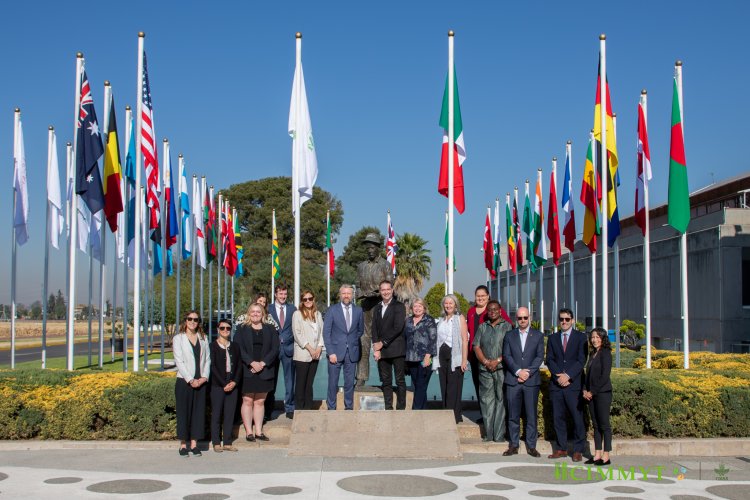
International Maize and Wheat Improvement Center (CIMMYT) Welcomed a $40 million award from the US Government to advance global food security, strengthen agricultural resilience, and open scientific collaboration.
The award, announced during an official visit by a U.S. government delegation, reflects the continued partnership between the United States and CIMMYT in advancing science-driven solutions that benefit farmers, markets, and food systems around the world.
“This funding will strengthen key platforms in CIMMYT’s research portfolio,” a press release from CIMMYT said.
CIMMYT Director General bram govaerts He said the award reflects decades of collaboration based on science and faith. He stressed that food security and resilient agricultural systems are essential for global stability and prosperity, and reaffirmed CIMMYT’s commitment to ensuring farmers have access to innovation, tools and knowledge.
The funding will support key research platforms within CIMMYT’s portfolio, including the development of drought and heat-tolerant maize and wheat varieties, conservation and utilization of critical genetic resources, digital and data-driven agricultural tools and early warning systems to protect crops from emerging pests and diseases. These initiatives aim to help farmers produce more with fewer resources, reduce vulnerability to climate shocks, and increase supply chain resilience.
Dr BM PrasannaManaging Director of BISA and CIMMYT Regional Director for Asia said the 2026 investment will accelerate innovations that will strengthen food systems and improve the livelihoods of smallholder farmers globally, including in the Indo-Pacific region. He said this presents an opportunity to catalyze greater investment in agricultural research and development in India and Nepal.
CIMMYT, a non-profit international research organization, works in the Americas, Europe, Africa, Asia and Oceania. It focuses on improving the productivity and resilience of major cereal crops such as maize, wheat, triticale, sorghum and millet, particularly in the Global South.
The organization said diverse partnerships remain central to its long-term mission of building sustainable, inclusive and resilient agri-food systems around the world.