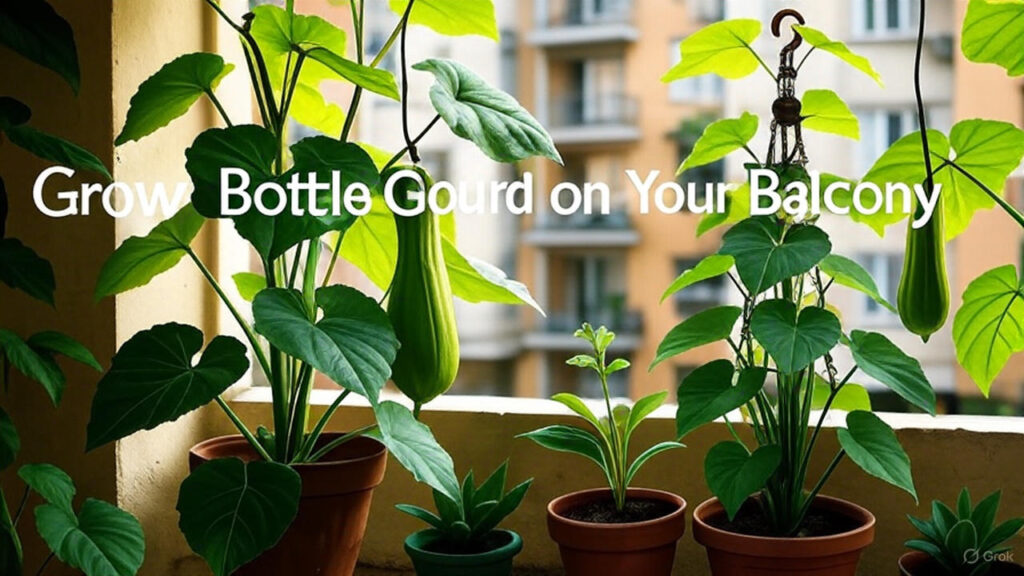
Hello home gardeners, We are back with very useful information on the best companion plants in India with practical pairings. When I first began gardening on my small Delhi balcony, I dedicated each pot to a specific plant, such as tomatoes, chillies, or brinjal. I’d water them, feed them, and still scratch my head when one plant thrived while its neighbour sulked. Sound familiar? Turns out, plants don’t like going solo. In nature, they grow into squads, helping each other out—some fend off pests, others boost the soil, and a few just make their buddies feel cosy. Companion planting transforms Indian home gardens, whether they are in a Mumbai high-rise, a Pune courtyard, or a village plot in Bihar.
My epiphany occurred years ago when I observed my grandmother in Patna carefully placing marigolds around her vegetables. Why? I asked. She grinned and said, “Genda’s the garden’s bodyguard.” Later, I discovered that marigold roots release compounds that repel soil pests, effectively protecting tomatoes and chillies. That is the type of wisdom we are drawing upon here—knowledge our grandparents possessed, reinterpreted for your terrace or backyard.
Why Companion Planting Works in Indian Conditions

What You’ll Gain from Pairing Plants
Indian gardens face brutal sun, monsoon mood swings, sneaky pests, and often not enough water. Companion planting is like giving your garden a support crew, making it easier to manage without drowning in effort.
Here’s what you’ll notice:
- Fewer pests without reaching for sprays
- Tastier veggies (seriously, try it)
- Soil that stays healthy longer
- Less watering, even in May’s heat
- More harvest from tight spaces
A friend in Ahmedabad swore by this: “Once I let basil and coriander spread under my plants, the soil stayed cool and moist through summer.” It’s not about forcing plants to perform—it’s about letting them team up.
Beginner Kitchen Garden Guide for India
Easiest Companion Planting for Beginners
If you are just beginning, it might be beneficial to start Honestly, it’s fun watching plants play harmonious together. These pairings require minimal effort and have a magical effect.
| Companion Pairing | Why It Works | Difficulty |
|---|---|---|
| Tomato + Basil + Marigold | Basil boosts flavour, and marigold guards roots | Very easy |
| Chili + Coriander Border | Coriander’s scent throws pests off | Easy |
| Brinjal and Beans | Beans feed nitrogen to roots | Medium |
| Cucumber + Dill + Marigold | Dill pulls in pollinators, marigold protects | Medium |
Once you see your plants perk up, you’ll be hooked. Promise.
Soil Preparation and Kitchen Garden Layouts
Soil Mix for Balcony and Terrace Grow Bags
Good soil is the backbone of companion planting—think soft, lively, and well-draining. Hard, chemical-heavy dirt kills the vibe.
For grow bags (12 inches deep at a minimum), mix:
- Garden soil
- Well-decomposed compost (vermicompost or cow dung works great)
- Cocopeat or leaf mold to hold moisture
- A handful of neem cake powder to keep soil pests away
For detailed information you can check Best Soil for Kitchen Gardening.
Prepping Soil for Ground Gardens
Do you have a ground plot? Here’s the plan:
- Loosen soil to about a hand’s depth
- Mix in plenty of compost
- For clay-heavy soil, toss in some river sand
- Mulch with dry leaves or straw to lock in moisture
This setup invites earthworms and microbes, keeping things balanced. My neighbour in Chennai swears her okra exploded after she added mulch last monsoon.
Spacing Guide for Indian Home Gardens
Crowded plants fight like siblings. Give them room to breathe for the best results.
| Plant | Ideal Spacing | Companion Placement |
|---|---|---|
| Tomato | 45–60 cm | Basil close, marigold at edges |
| Chili | 30–40 cm | Coriander as a border |
| Brinjal | 45 cm | Beans between plants |
| Okra (Lady Finger) | 30 cm | Radish below to loosen soil |
| Gourds | 1–1.5 m | Dill or marigold at base |
Triangular Planting Layout for Small Indian Terraces
Forget straight rows—plant in triangles. Why? This method provides better airflow, reduces fungus, and utilises space more efficiently.
- Improves air circulation
- Maximizes small plots
- Cuts down on moldy leaves
- Let’s root support each other
Sample Layout (1.2 m x 2 m bed):
- Center: Tomato plants
- Around them: Basil and coriander
- Corners: Marigold
This works everywhere—Kolkata’s humidity, Jaipur’s heat, or Guwahati’s rains. I experimented with it on my balcony last year, and the tomatoes were unstoppable.
Companion Planting Chart for Indian Gardens
Best and Worst Pairings for Veggies
| Vegetable | Best Companions | Avoid Growing With | Why |
|---|---|---|---|
| Tomato | Basil, Marigold, Garlic | Cabbage family | Boosts flavor, cuts pests |
| Chili | Coriander, Lemongrass, Onion | Fenugreek too close | Reduces aphids and mites |
| Brinjal | Beans, Mint (near but separate) | Tomato, Potato | Dodges shared diseases |
| Okra | Basil, Radish, Sunflower | Onion near stem | Draws pollinators |
| Gourds (Cucumber, Bottle gourd) | Dill, Beans, Marigold | Potato | Better pollination, less rot |
Want to see how these pairings pay off? This chart shows the yield boost from companion planting for India over a winter.

Tomato Companion Plants for Indian Summer
Best Tomato Companions to Beat Whiteflies
Whiteflies and leaf curl severely damage tomatoes, particularly in humid zones. By pairing them correctly, you can avoid potential complications.
Grow With:
- Basil (Tulsi) – amps up taste and leaf health
- Marigold (Genda) – shields roots from nematodes
- Garlic – keeps sap-suckers at bay
A gardener I met in Noida said, “Basil and marigold saved my tomatoes from whiteflies last year—no losses.” Avoid cabbage or cauliflower nearby; they hog nutrients.
Chili and Capsicum Companion Planting
Stopping Aphids Naturally with Chili Companions
Chillies love heat but hate mites and aphids. You’ve probably seen those curled leaves during the monsoon season.
Grow With:
- Coriander around bed edges
- Onion or garlic near the base for fungal protection
- Tulsi a bit away to lure good bugs
This setup shines even in tight balcony spaces with poor airflow. A Coimbatore gardener told me, “My chilli leaves stopped curling once coriander shaded the soil.”
Brinjal Companion Planting Guide
Supporting Eggplant in Hot Indian Climates
Brinjal needs rich soil and ample air circulation to thrive. If you get this right, everything will go smoothly.
Grow With:
- Beans to pump nitrogen into soil
- Mint in a nearby pot (it spreads like crazy otherwise)
- Thyme or other small herbs to deter beetles
Keep brinjal away from tomatoes and potatoes to avoid wilt diseases. My cousin in Hyderabad experienced this firsthand when an entire row collapsed.
Okra (Bhindi) Companion Plants for Monsoon
Pairings to Boost Bhindi Yield
Okra thrives in heat, and when paired with the right companions, it produces pods prolifically. A Jaipur gardener I know doubled her yield with sunflowers nearby—wild, right?
Grow With:
- Basil to cut down fruit flies
- Radish underfoot to break up soil
- Sunflower to attract pollinating bees
Companion Planting for Indian Leafy Greens and Root Vegetables
Pairings for Palak, Carrots, and More
You’re probably growing spinach or fenugreek for your curries, but they need love too. Leafy greens and roots like carrots or beets do better with companions.
Best Pairings:
- Spinach + Onions: Onions deter leaf miners
- Carrots + Leeks: Leeks confuse carrot flies
- Fenugreek + Marigold: Marigold keeps soil pests away
- Beets + Coriander: Coriander cools soil for better roots
Last winter, I tucked onions around my palak patch in Delhi—zero leaf damage and a bonus onion harvest by February.
Best Herbs to Grow With Vegetables in India
Herbs That Make Your Garden Sing
| Herb | Benefits | Where to Plant |
|---|---|---|
| Coriander | Cools soil, slows pests | Along borders |
| Tulsi | Draws bees and butterflies | Near tomatoes, chilies |
| Mint | Scent blocks insect trails | Separate pot near beds |
| Ajwain | Repels chewers | Small clusters between plants |
Flowers That Protect Indian Home Gardens Naturally
Using Flowers as Pest Repellents
Flowers not only add beauty to your garden, but they also serve as its protectors. Indeed, they serve as a hidden asset.
- Marigold: Stops nematodes and root pests
- Nasturtium: Lures chewing bugs away (sacrificial hero)
- Chrysanthemum: Keeps leaf-eaters at a distance
A Mysuru gardener told me, “Nasturtium saved my cucumbers from pests last season.” Try it—you’ll see.
Common Indian Pest Problems and Solutions
Companion Plants to Fight Pests
| Pests | Affects | Companion Solutions | Practical Tips |
|---|---|---|---|
| Whiteflies | Tomato, Brinjal | Basil and garlic nearby | Water leaves at sunrise |
| Aphids | Chili, Beans | Coriander edges | Light neem spray if needed |
| Fruit Borers | Tomato, Brinjal | Marigold border | Mulch soil, avoid high nitrogen |
| Red Mites | Chili | Lemongrass for scent | Boost airflow |
| Mealybugs | Gourds, Hibiscus | Nasturtium decoy | Break ant trails |
Are you curious about the speed at which pests disappear with companion planting in India? This chart tracks the drop over a season.

Balcony and Terrace Companion Planting
Companion Planting Ideas for Mumbai Balconies
Tight on space? No problem. Here’s a simple setup:
- One main veggie per pot
- Two herbs around it
- One flower at the edge
Example Grow Bag:
- Tomato (center)
- Basil and Coriander (sides)
- Marigold (edge)
Are you facing a harsh afternoon sun? Put taller plants on the west side to shade smaller ones. My Mumbai friend’s balcony garden thrived with this trick.
Advanced Layouts for Larger Indian Gardens

Do you have a larger area to cultivate, such as a backyard in Gurgaon or a community plot in Lucknow? Scale up with polyculture beds. Last year, I helped a friend in Lucknow turn a 10×10 plot into a veggie haven—triangles galore, and enough harvest for a neighbourhood feast.
4×4 Bed Plan:
- Center: Brinjal or okra
- Mid-layer: Beans and coriander
- Edges: Marigold and garlic
- Rotate crops yearly to keep soil fresh
This setup maximises yields and keeps pests guessing.
Organic Fertilizers for Companion Gardens
Natural Boosts for Indian Veggie Beds
Companion planting reduces fertiliser costs, but a little organic boost goes a long way. Last monsoon, a splash of fermented rice water in my brinjal patch delighted the plants, causing them to practically dance.
| Amendments | Best For | How to Use |
|---|---|---|
| Vermicompost | All veggies | Mix 20% into soil |
| Neem cake | Pest-prone plants | 1 tbsp per pot |
| Compost tea | Leafy greens | Water weekly |
| Banana peels | Fruiting plants | Bury chopped peels |
Mix these in lightly, and your soil stays pleased without chemicals.
Companion Planting for Indian Climates
Zone-Specific Tips for Tropical or Arid Gardens
India’s climates vary wildly—Kerala’s humidity, Rajasthan’s dust, or Himalayan chill. Adjust your pairings to match.
- Tropical (Kerala, Chennai): Use coconut husk mulch for gourds; pair with dill for drainage.
- Arid (Jaipur, Ahmedabad): Basil and radish with okra to cool soil.
- North (Delhi, Punjab): Winter greens like spinach with garlic borders.
In Chennai, I saw a gardener swap straw for coconut husks—kept her gourds thriving in 35°C heat.
Seasonal Companion Planting Guide
Best Pairings by Season
| Season | Focus | Best Pairings |
|---|---|---|
| Summer | Soil cooling, shade | Okra + Basil + Radish |
| Monsoon | Drainage, airflow | Brinjal + Beans + Marigold |
| Winter | Leafy growth, flowering | Tomato + Coriander + Marigold |
Year-Round Maintenance Calendar for Companion Plants

Monthly Companion Planting Guide
With winter rolling in (it’s November 2025 now), here’s a quick calendar to keep your garden humming.
| Month | Key Actions | Pairing Tip |
|---|---|---|
| November | Sow roots, greens | Carrots and onions |
| December | Protect from frost | Spinach and marigold |
| January | Boost leafy growth | Fenugreek and garlic |
Last November, I started carrots with leeks—harvested by New Year, no pests.
Success Stories from Indian Gardeners
Real Results from Home Gardens
Nothing beats hearing what works. Here are a few stories:
Pune, 2024
Bhaskar Rao was struggling with his chillies getting swarmed by aphids—until he planted coriander all around the edges of his patch. The next season, his harvest nearly doubled. “Not a single aphid showed up,” he grinned. “Turns out, coriander’s smell keeps them away—and my chillies loved it.”
Bengaluru, 2025
On her tiny 6-by-4-foot balcony in Indiranagar, Swapna was ready to give up on tomatoes—whiteflies kept destroying every batch. Then she tucked in some basil and marigolds between the pots. Within weeks, the plants perked up, flowers appeared, and fruit set beautifully. “Zero whiteflies after that,” she says, plucking a ripe one straight off the vine. “Now I never grow tomatoes without them.”
Jaipur, 2023
Sabita had always grown okra in her backyard, but last summer was different. She added a row of sunflowers along the fence—just for colour—and suddenly, her okra plants went wild with pods. “Bees were everywhere,” she recalls, wiping her hands on her apron. “They’d zoom from sunflower to okra all morning. Best harvest I’ve ever had!”
Consider trying one pairing, and you may soon have your own story to share.
Troubleshooting Weak Growth
Fixing Common Issues in Companion Gardens
Plants are looking sad? Check these:
- Soil too tight? Loosen it gently.
- Plants too cosy? Space them out.
- Pot too small? Go one size up.
- Herbs hogging light? Trim them back.
It’s not a rulebook—just tweak and watch. My basil once overgrew my tomatoes; a quick trim fixed it.
8 Questions Gardeners ask about Companion Planting

1. What are the best companion plants for tomatoes in India?
If you are cultivating tomatoes anywhere in India, three companions you will invariably desire to have nearby are basil, marigold, and garlic. Basil doesn’t just smell lovely—it actually boosts your tomato’s flavour and keeps those annoying whiteflies away. Marigold’s roots release compounds that effectively halt nematodes. And garlic? It’s a natural shield against aphids and other sap-suckers. A simple combo that works across climates: one tomato, two basil plants, and a marigold tucked close by.
2. Can I do companion planting in pots or grow bags?
Totally! In fact, it’s perfect for balcony and terrace gardens. Please ensure your grow bag is at least 12 inches wide to provide adequate space for everyone. Try this: plant your main veggie—say, a tomato—in the centre. Tuck a couple of basil sprigs near its stem, and pop a marigold right on the edge of the pot. It’s cosy, natural, and surprisingly effective.
3. How close should companion plants be?
They should be spaced “a hand’s width” apart, allowing them to share benefits without competing for space or obstructing airflow. For tomatoes and basil, a distance of 15 cm is ideal. When growing chillies, simply let coriander cosy up along the rim of the pot or nestle it at the edge of your garden bed. Giving your plants a little breathing room like this isn’t just neat—it actually helps stop fungal diseases and pests before they start, keeping your chillies happy and healthy.
4. Does companion planting cut down on pesticides?
It sure does—though it won’t wipe out pests completely. What it does is create a more balanced little ecosystem in your garden. Pests might still drop by, but they won’t take over. Pair your plant partnerships with occasional natural sprays—like neem leaf tea or garlic water—only when you spot trouble, not as a weekly routine.
5. What’s the easiest combo for beginners?
Tomato + basil + marigold. That’s your golden trio. It’s forgiving, works in most Indian cities—from Mumbai to Chennai to Delhi—and you’ll notice fewer pests and tastier fruit within weeks. It’s the go-to for a reason!
6. Which flowers help keep pests away in Indian home gardens?
Marigold is your MVP—it’s practically a bodyguard for roots, thanks to how it handles nematodes. Nasturtium is another smart pick; pests prefer munching on it instead of your veggies (we call that a “trap crop”). Chrysanthemums can deter leaf-chewers too. Just tuck these flowers along borders or corners—not smack in the middle—so your veggies still get the spotlight.
7. Will companion planting survive the brutal Indian summer?
Yes—and it actually shines then! Herbs like basil and coriander act like living mulch, shading the soil and keeping it cooler. Toss on a layer of dry leaves or rice husk, and your plants will thank you. Isn’t this a wonderful summer combo? Okra with basil and radish—they support each other through the heat without competing too much.
8. Is companion planting the same as intercropping?
They’re cousins, not twins. Intercropping is mostly used on farms to squeeze more yield from the same land. Companion planting is more about relationships—like how certain plants repel pests, attract bees, or even improve each other’s taste. It’s made for home gardens, not just fields. Think of it as gardening with a little more heart (and a lot more fragrance!).
Conclusion
Companion planting isn’t some fancy trick—it’s how plants want to grow, like friends sharing a meal. In India’s diverse climates, from Mumbai’s salty air to Punjab’s frosty winters, pairing plants thoughtfully makes your garden tougher, tastier, and way less work.
Pick one combo, like tomato and basil. Watch how it transforms your patch. The plants will guide you from that point on. Could you please share what your first pairing will be?