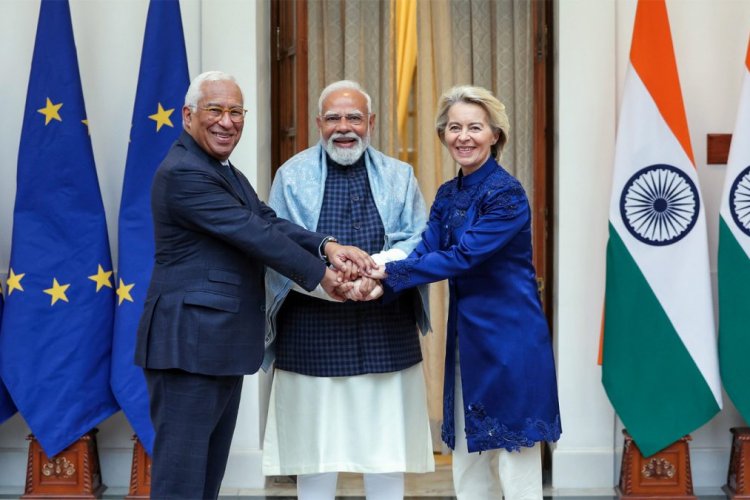
Under the agreement, India will reduce or eliminate tariffs on a wide range of agricultural and processed food exports to the EU. Duties on olive oil, margarine and other vegetable oils – which currently stand at up to 45% – will be reduced to zero. Tariffs of up to 55% on fruit juices and non-alcoholic beer will also be eliminated, while sheep and lamb meat exports from the EU will receive full duty-free access from the current tariff of 33%.
European farmers and agri-food producers are among the key beneficiaries of the India-EU free trade agreement (FTA) concluded on Tuesday as the deal eliminates some of the highest agricultural tariffs in the Indian market, while strongly protecting the EU’s own sensitive agricultural sectors, according to official releases from Brussels and New Delhi.
The agreement significantly improves access for EU agri-food exports to India, where average agricultural tariffs often exceed 36%, a long-standing barrier for European producers. The European Commission estimates that the FTA could save EU exporters up to €4 billion annually in tariffs once fully implemented, strengthening the competitiveness of European food products in one of the world’s fastest growing consumer markets.
Under the agreement, India will reduce or eliminate tariffs on a wide range of agricultural and processed food exports to the EU. Duties on olive oil, margarine and other vegetable oils – which currently stand at up to 45% – will be reduced to zero. Tariffs of up to 55% on fruit juices and non-alcoholic beer will also be eliminated, while sheep and lamb meat exports from the EU will receive full duty-free access from the current tariff of 33%.
Processed food categories like bread, biscuits, pasta, chocolate and pet food, which attract up to 50% tariff, will also enter India at zero duty. Alcoholic beverages, a major European interest, will see graduated liberalization: the 150% wine tariff will be reduced to 20% for premium wines and 30% for mid-range segments, while duty on spirits will be reduced from a high of 150% to 40%.
EU officials say the concessions could significantly expand Europe’s agri-food footprint in India, where EU exports currently lag behind markets such as China or the United States. EU agri-food exports to India already support around 800,000 jobs across the bloc, and the Commission expects this number to grow as trade volumes increase.
EU draws tough red lines on sensitive agriculture
At the same time, the EU has clearly weighed in on its agricultural sensitivities. No tariff concessions will be given on sugar and ethanol, rice and soft wheat, beef and poultry, milk powder, bananas and honey. Imports of table grapes and cucumbers – sectors where Indian exporters are competitive – will be subject to tightly calibrated tariff-rate quotas, limiting the volume of entry into the EU market.
The EU has also underlined that its high sanitary and phytosanitary (SPS) standards will remain fully intact. European officials said that under the SPS chapter of the FTA, the EU’s strict rules on animal and plant health as well as food safety will continue to apply without exception. The Enhanced Cooperation Mechanism aims to improve transparency and information-sharing, but without reducing regulatory requirements.
Trade analysts say these safeguards were important in ensuring political buy-in from the European agricultural lobby, which has already been wary of import competition amid volatile global food markets.
India’s advantages: targeted reach, protected core
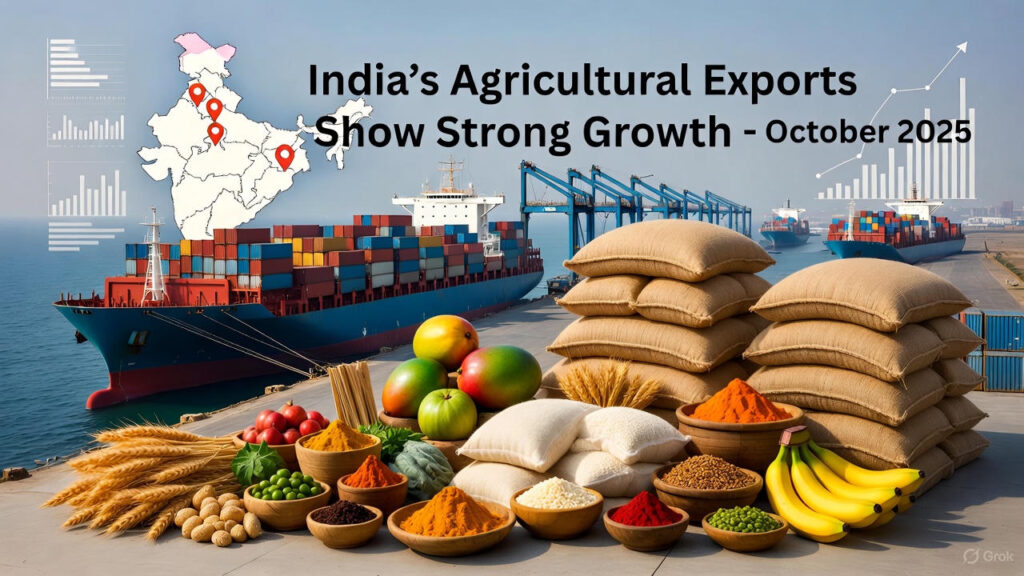
For India, agricultural gains are more selective but strategically important. According to India’s commerce ministry, the EU will offer preferential market access to a number of Indian products, including tea, coffee, spices, table grapes, cucumbers and cucumbers, dried onions, fresh fruits and vegetables and some processed foods.
Officials argue that lower tariffs and predictable regulations will help Indian farmers and agri-exporters move up the value chain, tapping Europe’s premium market for traceable and sustainably produced food. Although agriculture is a relatively small share of overall India-EU merchandise trade – valued at about $136.5 billion in 2024-25 – policymakers see ample scope for growth in high-value sectors.
Importantly, India has protected its most sensitive agricultural sectors. Dairy, cereals, poultry, soymeal and many fruits and vegetables have been excluded from tariff liberalization, reflecting domestic concerns over rural livelihoods and food security. India is the world’s largest milk producer, with millions of smallholders dependent on the sector, making dairy a political red line in trade talks.
standards and structure
The agreement also includes strict rules of origin to ensure that only goods produced or processed in India or the EU benefit from tariff preferences, thereby reducing the risk of trans-shipment to a third country. The provisions on SPS and technical barriers are intended to cut delays and compliance costs without weakening regulatory oversight.
The FTA must still undergo legal scrutiny and ratification by the European Parliament and Indian authorities before coming into force. Once implemented, officials on both sides see it reshaping agri-trade flows – giving European farmers unprecedented access to the Indian market, while offering Indian agriculture discreet entry into one of the world’s most regulated food markets.