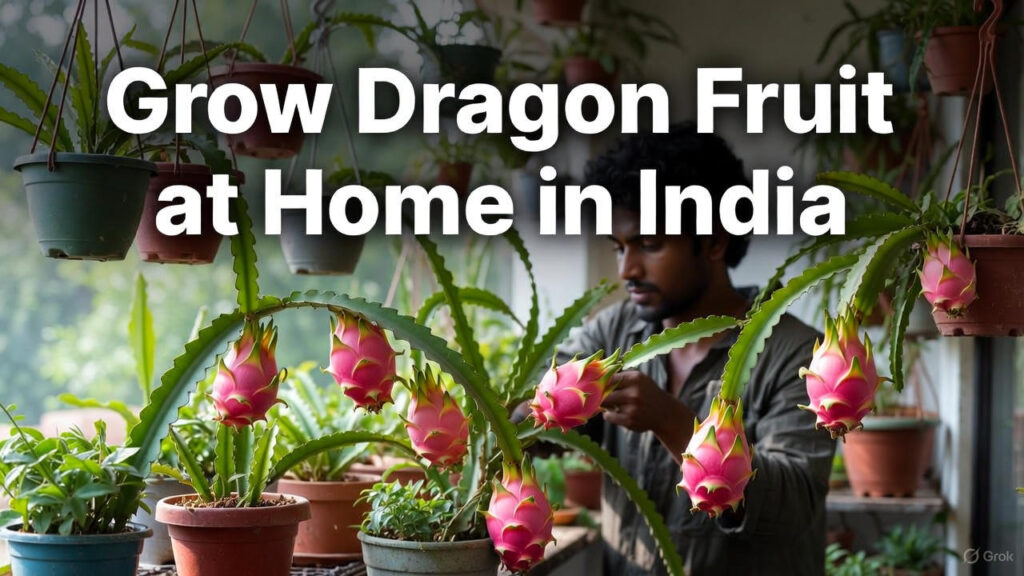
Let’s be honest—most of us buy a dragon fruit cutting, stick it in a pot, water it like our other plants, and wonder why nothing happens. In some cases, the cutting may rot after just two weeks. You’re not doing anything wrong. You’ve just been given the wrong advice.
Dragon fruit—also called pitaya in many nurseries across India—isn’t like curry leaf or hibiscus. It’s a cactus, resilient once established, yet selective in its growth process. Too much love, and it dies. If it receives insufficient sunlight, it will languish for years. But get just a few things right—like using the right soil mix, planting at the right time, and not overwatering—and it’ll reward you with those dreamy pink pitaya fruits right from your balcony in Mumbai, terrace in Patna, or even a window box in Dehradun.
The trick? Stop treating it like a regular plant. Start treating it like a desert survivor, which it really is. Whether you’re looking up how to grow dragon fruit at home in pots or dragon fruit cutting care in the Indian climate, the answer lies in simplicity, not complexity.
Best Time to Plant Dragon Fruit in India

When to Start Dragon Fruit from Cuttings in India by Season
If there’s one mistake Indian gardeners keep making, it’s planting dragon fruit in June or July. I get it—those nursery cuttings look fresh, and the weather’s cool. But dragon fruit hates wet feet. In Kerala or coastal Odisha, monsoon rains drown the roots before they even form. Even in Bengaluru, where rains are lighter, humidity invites fungal rot that turns stems mushy overnight.
So when should you plant? February–April is your golden window. Days are warm (25°C–35°C), nights are mild, and the soil dries fast after watering. In Rajasthan or Gujarat, you can even start in late January if frost isn’t around. But in the hills—say, near Shimla or Mussoorie—wait until May. Cold soil = no rooting.
A woman in Pune once told me she lost three cuttings trying to plant in November. “I thought cool weather was gentle,” she laughed. “But March? Dry sun, warm soil—boom, all five cuttings rooted in 20 days.” That’s the power of timing when you grow dragon fruit at home in India.
See this visual line chart for Dragon Fruit Plant Growth (Height in cm) – Balcony Gardening India:

| Region | Best Planting Time | Notes |
|---|---|---|
| Tropical (Kerala, TN) | February–April | Avoid monsoon |
| Arid (Rajasthan, Gujarat) | Late January–April | Check for frost |
| Temperate (Himachal, UP hills) | May | Wait for warmer soil |
How to Start Dragon Fruit from Cuttings
Choosing and Preparing Healthy Dragon Fruit Cuttings at Home
Forget seeds. Nobody in India grows dragon fruit from seed—it takes 5+ years to fruit. Everyone uses cuttings, and for good reason: they’re cheap (₹30–₹100 at local nurseries), available almost everywhere, and fruit in 12–18 months.
But not all cuttings are equal. Look for thick, green, firm stems—about 25 to 30 centimetres long. Avoid anything pale, wrinkled, or with brown spots. If your neighbour has a plant, ask for a piece. Most people are happy to share—they usually have more than they need.
Here’s the step many skip: let the cut end dry. Place it upright in a shady, airy spot for 3–5 days until a dry, crusty layer forms over the wound. That’s your anti-rot shield. Plant it too soon, and you’re basically inviting fungus to move in. For home growers, dragon fruit’s preference for well-drained soil and full sun aligns with ICAR’s guidelines on pitaya cultivation —especially when starting from healthy cuttings
Steps to Plant a Cutting
- Select a thick, green, firm cutting (25–30 cm).
- Dry the cut end in shade for 3–5 days.
- Plant 5–7 cm deep in a well-draining mix.
- Water lightly; place in bright, indirect light for 2 weeks.
Choosing the Right Dragon Fruit Variety for India

Which Varieties Thrive in Indian Climates?
You’ve probably spotted those bright pink dragon fruits at markets in Mumbai or Delhi, but did you know there’s more than one type? For most Indian homes, the red skin with white flesh (Hylocereus undatus) is your best bet—it’s heat-tolerant, fruits fast, and simple to find at nurseries for ₹30–₹100. But if you’re in a dry spot like Jodhpur, you might try yellow dragon fruit (Hylocereus megalanthus). It’s sweeter but fussier about humidity. Red-fleshed varieties (Hylocereus costaricensis) are rarer, popping up in places like Gujarat, and they’re a hit for their vibrant look.
A friend in Bengaluru tried a red-fleshed cutting from a local farm. It took an extra year to fruit, but the colours blew everyone away. For balcony gardening with dragon fruit, stick with undatus—it’s forgiving and thrives across India’s climates. Choose based on your weather and how patient you’re feeling!
Best Soil Mix for Dragon Fruit in Pots
Soil Mix for Fast Drainage
Don’t just use garden soil. Dragon fruit needs to drain fast. Try this mix:
- 2 parts regular garden soil
- 1 part well-rotted cow dung or vermicompost
- 1 part coarse sand or cocopeat
- A small handful of neem cake (keeps ants and nematodes away)
Plant the cutting about 5–7 centimetres deep in a wide pot—at least 12 inches across. Keep it in bright, indirect light for the first two weeks. Water just enough to keep the soil barely damp. Most cuttings show new growth in 3–4 weeks. This technique is the foundation of successful dragon fruit care at home in India.
You can refer to our guide, “How to Make Potting Soil Mix for Cactus,” to learn how to create the soil mix.
Best Pots for Dragon Fruit on Balconies
Terracotta vs Plastic Pots for Dragon Fruit in Small Spaces
Dragon fruit doesn’t need deep pots—it needs wide ones. Its roots spread sideways, not down. So a 12-inch-wide pot is better than a tall, narrow one.
In humid cities like Kolkata or Mumbai, terracotta works best. It breathes, dries faster, and cuts rot risk. But in dry zones like Jaipur or Bikaner, plastic or cement pots hold moisture longer—so you don’t have to water every other day in May.
And yes, you can absolutely reuse containers. A shop owner in Hyderabad grows five dragon fruit plants in cleaned 20-litre Bisleri cans. “I drilled six holes at the bottom, added broken bricks, and filled them with my mix,” he informed me. “Last year, I gave dragon fruit to my whole street!”
Just never skip drainage. One blocked hole can kill the plant in a week during summer storms. If you’re wondering how to grow dragon fruit in small balconies, the pot choice is half the battle.
| Pot Type | Best For | Pros | Cons |
|---|---|---|---|
| Terracotta | Humid areas (Kolkata, Mumbai) | Dries fast, reduces rot | Needs frequent watering |
| Plastic/Cement | Dry areas (Jaipur, Bikaner) | Retains moisture | Risk of waterlogging |
What You Need to Start Growing Dragon Fruit
Starting out can feel overwhelming, but you don’t need much. Here are the basic requirements for a balcony setup:
- Cutting: ₹30–₹100 from a nursery or neighbour.
- Pot: 12-inch-wide terracotta or plastic (₹100–₹300).
- Soil Mix: Garden soil, compost, sand (₹50–₹200 for a small batch).
- Support: Bamboo sticks or an old drying rack (free or ₹50–₹100).
- Extras: Neem oil (₹100 for 100 ml), paintbrush for pollination (₹10).
I met somebody in Surat who started with one pot and a cutting from his uncle. Total cost? Under ₹300. Two years later, he’s got three plants fruiting like crazy. Keep it simple, and you’re ready to go.
Organic Ways to Feed Dragon Fruit

Kitchen Waste Fertilizer for Flowering and Fruiting
Dragonfruit doesn’t need fancy fertilisers. In fact, chemical feeds often promote leaf growth but do not produce any flowers. Real growers across India swear by kitchen waste:
- Banana peels: Soak 3–4 peels in 1 litre of water for 3 days. Strain and use the liquid as a potassium boost during flowering (April–July).
- Eggshells: Dry, crush, and mix into the topsoil. Calcium helps prevent fruit from splitting in hot weather.
- Rice water: Use leftover water from washing rice (uncooked). Let it sit for a day, then pour it near the base—it feeds beneficial microbes.
Feed every 60 days. During peak bloom season, sprinkle a teaspoon of wood ash or mustard cake powder around the base. It works better than any NPK.
In Bengaluru, a home gardener on the fourth floor ditched store-bought fertiliser after her plant gave only four fruits in year one. She switched to banana peel water and cow dung top-dressing—and harvested 22 sweet, juicy fruits the next season. This process was all accomplished from a small 10×10 balcony. This is what organic dragon fruit growing at home in India really looks like.
A visual line chart for the monthly organic fertiliser schedule for dragonfruit plants:

Sunlight and Watering Guide by Indian Seasons
Sun and Water Needs for Dragon Fruit
This plant needs at least 6 hours of direct sun. A south- or west-facing balcony is perfect. If you’re in a high-rise with limited light (looking at you, Gurgaon and Chennai), rotate the pot every 3–4 days so all sides get sun.
Watering? Less is more. It’s a cactus, remember. In summer, water deeply once every 5–7 days—only when the top 2 inches of soil feel dry. In winter, once every 10–14 days is plenty. During monsoon? Often, it is unnecessary to water the plants at all. Just tilt the pot if rain collects.
| Region | Summer | Monsoon | Winter |
|---|---|---|---|
| Tropical (Kerala, TN) | Water every 5–7 days | Keep under cover; no watering | Water every 10–12 days |
| Arid (Rajasthan, Gujarat) | Water every 4–5 days | Check drainage; water if dry | Water every 12–15 days |
| Temperate (Himachal, UP hills) | Water every 6 days | Move indoors if cold; keep dry | Water every 2 weeks |
See this visual line chart for watering frequency for dragon fruit in different Indian seasons:

Seasonal Care Calendar for Dragon Fruit
Month-by-Month Guide for Indian Growers
You might be wondering, “When should I water my dragon fruit? When do I feed it?” Here’s a quick calendar to keep your dragon fruit satisfied year-round, based on India’s seasons:
| Month | Task | Notes |
|---|---|---|
| Jan–Feb | Plant cuttings in arid regions; prepare pots | Ensure frost-free weather in North India |
| Mar–Apr | Plant cuttings in most regions; light watering | Ideal for rooting; use well-draining mix |
| May–Jun | Increase watering; add banana peel liquid | Watch for fruit splitting in hot areas |
| Jul–Aug | Protect from rain; no watering in tropics | Tilt pots to avoid waterlogging |
| Sep–Oct | Hand-pollinate flowers; light feeding | Peak bloom time in many areas |
| Nov–Dec | Reduce watering; cover in North India | Keep soil dry to prevent root rot |
A balcony grower in Delhi swears by this schedule—her plant went from zero to 18 fruits in two years. Keep it handy, and you’re set.
Urban Balcony Problems and Fixes
Solutions for Low Sun, Poor Soil, and Pests
City growth comes with real headaches—but all are fixable with stuff you already have.
- Low sunlight? Place a white ceramic tile or old aluminium tray behind the pot. It reflects light onto shaded sides. One teacher in Mumbai puts her pot next to a mirrored wardrobe door—her plant gets double the light.
- Are the soil conditions in the repurposed containers poor? Every 8–10 months, scrape off the top 3 centimetres of soil and replace it with fresh compost and sand. Avoid continuously watering the old soil mix, as it will become hard and lifeless.
- Are you dealing with mealybugs or ants? Mix 2 tablespoons neem oil, 1 teaspoon liquid soap, and 1 litre water. Spray every 10 days. For ants, stand the pot on bricks placed in a shallow tray of water. They won’t cross it.
A nurse in Hyderabad faced all three on her 7th-floor flat. With a foil reflector, monthly soil refresh, and weekly neem spray, her plant now fruits twice a year. The result is dragon fruit care for Indian apartment gardens done right.
Common Pests and Diseases in Dragon Fruit
Spotting and Solving Issues Before They Kill Your Plant
Mealybugs and ants aren’t the only troublemakers. Fungal rot, scale insects, and stem blight can sneak up, especially in humid cities like Mumbai or during monsoons in Assam. Here’s what to watch for:
- Fungal Rot: Mushy, brown stems, often from overwatering. Cut away the rot, let the stem dry, and repot it in a fresh, dry mix. A gardener in Kochi saved her plant by doing these steps after heavy July rains.
- Scale Insects: Tiny, sharp bumps on stems. Scrape them off with a toothbrush and apply neem oil spray (2 tbsp neem oil, 1 tsp soap, 1 litre water).
- Stem Blight: Black, shrivelled patches. Improve air circulation and avoid wetting stems when watering.
Check your plant weekly, especially in rainy seasons. Catching these early means you won’t lose months of growth.
DIY Support Ideas for Dragon Fruit

Training Vines Without Buying Trellises
Dragon fruit climbs. If you let it sprawl, it won’t flower well. It needs something to grab onto—at least 4 feet tall.
You don’t need fancy trellises. Try:
- 3–4 bamboo sticks tied at the top (like a teepee)
- Old PVC pipes or iron rods fixed into the pot
- A repurposed clothes-drying rack bolted to your railing
Wrap coir rope or jute twine around the support—dragon fruit’s tiny roots cling better to rough surfaces than smooth metal.
Once the main stem reaches the top, pinch off the tip. That forces side branches to grow—and those are what give you flowers and fruit.
A retired teacher in Chennai grows three plants on an old stainless steel drying stand fixed to her balcony. Last year, she harvested nearly 50 fruits. “Cost me nothing but time,” she said with a smile. That’s the beauty of growing dragon fruit vertically at home in India.
Dragon Fruit Not Flowering? Fixes
Why Dragon Fruit Doesn’t Bloom and How to Trigger Flowers
If your plant’s green and healthy but no flowers show up, check these:
- Is there insufficient sunlight? Less than 6 hours = no blooms. Move it.
- Overfed or overwatered? Stop all feeding and reduce watering for 4–6 weeks. Mild stress triggers flowering.
- Too young? Most plants need 12–18 months before their first bloom.
In Goa or Assam, you might get two flowering cycles—once in summer and once after monsoon. In drier areas like Gujarat, expect one main flush from May to August.
A visual line chart for the flowering and fruiting timeline for dragon fruit in India:

How to Hand Pollinate Dragon Fruit Flowers at Night
Dragon fruit flowers open after sunset and close by sunrise. In cities, there are no bats or moths to pollinate them. So do it yourself.
- Grab a small paintbrush around 10 PM.
- Gently collect pollen from the yellow anthers of one flower.
- Dab it onto the central stigma of another.
- Repeat for 2–3 flowers per night during bloom week.
You’ll get bigger, sweeter fruits—and more of them. This simple step can transform your dragon fruit yield at home.
When to Harvest and Store Dragon Fruit
How to Tell When Homegrown Dragon Fruit Is Ripe
Fruits take 30–50 days to ripen after the flower falls. They’re ready when:
- Skin turns bright pink (or yellow, if you’re growing that type)
- The green “scales” start drying and curling at the tips
- The fruit twists off easily with a gentle turn
If it resists, wait another day. Picking too early gives bland, watery fruit.
Store at room temperature for 3–4 days. To keep it longer, put it in the fridge and take it out an hour before eating. Cold dulls the sweetness. Nothing beats the taste of freshly harvested dragon fruit from your balcony.
Zero-Cost Hacks to Grow Dragon Fruit
10 Budget-Friendly Tips
- Use broken clay pots or bricks at the pot base for drainage.
- Save rainwater in buckets during the monsoon for summer watering.
- Train vines on old ladders, wire mesh, or discarded shelves.
- Mulch with dried neem leaves—they repel pests and feed soil.
- Plant near a sunny wall—it reflects heat and protects from wind.
- Crush eggshells for calcium—stops fruit from cracking in April heat.
- Wrap stems in old cotton cloth during cold snaps in North India.
- Rotate pots weekly for even sunlight on small balconies.
- Feed with banana peel liquid during flowering for bigger fruits.
- Share cuttings with neighbours—it builds trust and swaps tips.
Frequently Asked Questions About Growing Dragon Fruit
1. Can dragon fruit survive North India’s winter frost?
Dragon fruit can only withstand winter frost if it is well-protected. In Delhi or Punjab, move pots indoors or cover with a cotton sheet on cold nights. Keep the soil completely dry—wet + cold = root death.
2. How many fruits can one potted dragon fruit plant give?
A healthy 2-year-old plant in a 12-inch pot can produce 15–30 fruits per season if cared for well.
3. Is dragon fruit self-pollinating in India?
Some types of dragon fruit are self-pollinating, but in urban areas, hand pollination results in a better yield and sweeter fruit.
4. Can I grow it long-term in a 6-inch pot?
No. Start cuttings small, but transplant to at least a 12-inch-wide pot within 2–3 months.
5. Which variety grows best in Indian homes?
Red skin with white flesh (Hylocereus undatus) is the most common, heat-tolerant, and widely available across states.
6. Why are my stems turning yellow or soft?
Overwatering or poor drainage almost always causes root rot. Stop watering, check roots, and repot in a dry, fresh mix if needed.
7. Can I grow it indoors under LED lights?
Not really. It needs strong natural sunlight. A sunny balcony—even in an apartment—is always better than any indoor setup.
Growing dragon fruit at home in India isn’t about having a farm. It’s about working with what you’ve got—a sunny corner, a wide pot, and a little patience.
Don’t aim for perfection. Let the plant teach you. Some years, the monsoon will be harsh. Some summers, you’ll forget to water. That’s okay. This cactus is tougher than it looks.
Start with one cutting this February or March. Use soil from your yard, compost from your kitchen, and support from your balcony rail. And when that first bright pink fruit ripens in your hands—you’ll feel like you’ve cracked a secret code no one else knew.
Whether you searched for how to grow dragon fruit in pots in India, dragon fruit cutting care at home, or pitaya plant for balcony garden, you now have everything you need to succeed—naturally, affordably, and joyfully.