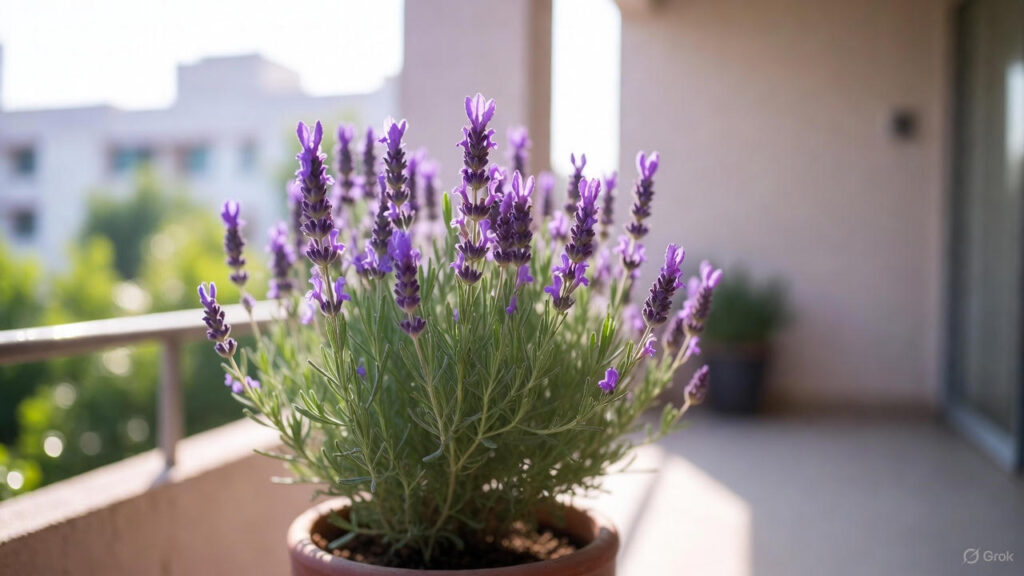
So you want to grow lavender in pots in India—but your “garden” is a 2-metre balcony in Hyderabad or a sunlit window ledge in a Pune flat. Good news: it’s totally doable. Lavender isn’t just for European countryside photos; with the right care, it thrives in Indian containers too. Many apartment gardeners search for how to grow lavender in apartments in India, and the steps are simpler than you think.
The trick isn’t copying foreign guides. It’s adapting. How to grow lavender in pots on a balcony here means thinking about afternoon heat, monsoon humidity, and whether your pot drains fast enough. If you’re testing how to grow lavender in pots indoors, you’ll need a seriously sunny spot—this isn’t a low-light plant. For anyone starting to grow lavender in an apartment, the real question is which variety will thrive until June.
Lavender isn’t just for balconies—thanks to India’s ‘Purple Revolution’ led by CSIR’s Aroma Mission, it’s now a high-value crop in Jammu & Kashmir, where farmers earn up to ₹6 lakh per hectare.
Once you match the plant to your climate—clay pot, gritty soil, and a “less is more” watering rule—you’ll be harvesting fragrant spikes before Diwali. This guide cuts through the fluff and gives you the real, tested way to grow lavender in pots in India, whether you’re in a humid coastal city or a dry inland town.
Here’s a quick visual summary of the 7 key steps on how to grow lavender in pots in India, especially useful for apartment gardeners in different Indian climates.

Benefits of Growing Lavender in Pots in India (Apartment-Friendly Advantages)

Why Container-Grown Lavender Works Best in Hot Indian Climates
Lavender hates wet feet—which is exactly what happens when you stick it in heavy garden soil during Chennai’s rains. Growing it in pots gives you total control. I remember that my neighbour in Bangalore nearly gave up after her first two plants rotted. Then she switched to a raised balcony setup with terracotta pots and a gritty mix. By winter, she had purple spikes buzzing with bees—and enough dried flowers for sachets all year.
“I thought lavender was delicate, but after I switched to terracotta and gritty mix, it started flowering every winter.”
Lavender Varieties That Thrive in Indian Apartments (English, French & Hybrid)
Best Lavender Varieties for India for Beginners (How to Choose the Right Type)
Best Lavender for Hot and Humid Indian Weather
If you’re in a tropical zone—say, Hyderabad, Bengaluru, or coastal Kerala—go for Spanish or French types. They’re bred for Mediterranean summers, which oddly match our pre-monsoon heat. Avoid the fussy English kind unless you’re above 1,200 metres, like in Ooty or parts of Maharashtra’s Western Ghats.
Drought-Tolerant Lavender Varieties for Balcony and Terrace Gardening
In arid zones like Rajasthan or central Gujarat, lavender actually thrives once established. My uncle in Jaipur grows Hidcote in old cement pots on his terrace. He waters just twice a week in summer—and never in winter. The secret? The key elements for success are full sun, gravel mulch, and the absence of organic mulch, which retains excessive moisture.
“I only water twice a week in summer—and never during winter—and that’s how my Hidcote lasts for years.”
Best Pots for Growing Lavender in India (Clay, Plastic, Grow Bags Compared)

Why Clay Pots Work Better in Indian Heat
Clay (or terracotta) breathes. Plastic traps heat and moisture—a deadly combo in Indian summers. Grow bags? They dry out too fast in April–May and offer no insulation. Stick to unglazed clay pots, at least 25 centimetres wide and deep. That gives roots room without drowning them.
Drainage Hole Requirements to Prevent Root Rot
One hole isn’t enough. Drill 3–4 extra holes if needed. I’ve seen folks in Mumbai lose plants because their “decorative” pots had a single tiny hole clogged with soil. Pro tip: layer the bottom with broken pottery shards or small stones—about 2–3 centimetres thick—to keep drainage sharp.
Seedling / cutting 15 centimetres Young plant 25 centimetres Established specimen 30–35 centimetres
Best Potting Mix Recipe for Lavender in India (Tested & Proven Blend)
This chart breaks down the potting mix ratio that most Indian gardeners swear by for growing happy, thriving lavender in pots—especially when the heat and humidity start creeping up.

DIY Soil Mix Ratios for Drainage & Aeration
Forget regular garden soil. Mix your own:
- 40% cocopeat (readily available in Indian nurseries)
- 30% coarse sand (not fine beach sand—use construction-grade, washed)
- 20% compost (well-aged cow dung or vermicompost)
- 10% perlite or small gravel
This mimics lavender’s native rocky hills. My friend in Pune uses this recipe and says her plants survived three monsoons—just by moving pots under the eaves when it rained hard.
“At the nursery in Pune they told me, ‘People here prefer seedlings in cocopeat—they establish faster through the monsoon.’”
If you’re new to mixing your own soil, we’ve got a step-by-step guide on how to make potting soil at home—complete with where to find coco peat, how much compost is too much, and why garden soil just won’t cut it for potted plants.
Getting the balance right is crucial—too much compost holds moisture and invites rot. We break down ideal soil-to-compost ratios for different plants and climates in our detailed guide on soil-to-compost ratios for Indian gardeners.
Best Ready-Made Soil Mix Brands in India for Lavender
If DIY’s not your thing, look for “cactus & succulent mix” from brands like Cocopeat India or Ugaoo. They’re already gritty. Avoid “all-purpose” mixes—they’re too rich and hold water.
Tip: check nearby nurseries — in many towns small lavender seedlings are sold for ₹__ to ₹; if you buy online, factor in courier handling for fragile roots. (Replace ₹ with your local price or keep generic: “seedlings are usually inexpensive at local nurseries—often cheaper than online.”)
How to Grow Lavender in Pots (Step-by-Step for Beginners in India)

Selecting the Right Pot Size and Material for Lavender Plants
Start small. A pot that’s too big holds excess water. For seedlings or cuttings, use 15-centimetre pots. Upgrade to 25–30 centimetres once roots fill the container—usually in 3–4 months.
Best Potting Soil Mix for Lavender in India (Well-Draining Recipe)
Indeed, the importance of well-draining soil cannot be overstated. Even if you buy plants from a nursery, repot them immediately into your custom mix. Most nursery soil is too moist for Indian conditions.
How to Plant Lavender in Containers the Right Way (Beginner-Friendly Steps)
- Soak the root ball for 10 minutes.
- Fill the pot two-thirds with your soil mix.
- Place the plant so the crown (where stems meet roots) sits just above soil level—burying it invites rot.
- Top up soil, firm gently, water lightly.
- Keep in partial sun for 3–5 days to harden off, then move to full sun.
Sunlight & Temperature Requirements for Lavender in Pots in India
How Much Sunlight Lavender Needs on Indian Balconies
Lavender requires at least 6 hours of direct sun per day. South- or west-facing balconies in Delhi, Chennai, or Ahmedabad work best. In cloudy hill stations like Darjeeling, you can get away with 4–5 hours—but don’t expect heavy blooms.
Ideal Temperature & Airflow for Healthy Potted Lavender
Lavender loves 15–30 degrees Celsius. Above 35 degrees? It’ll survive if you give it morning sun and afternoon shade. Good airflow is critical—especially in humid cities. Space pots at least 30 centimetres apart. My Kolkata neighbour hangs hers on wall brackets to let a breeze circulate underneath.
Ideal Humidity Levels for Lavender in India (How to Reduce Moisture Around the Plant)
Tricks to Grow Lavender in Humid Cities Like Mumbai, Chennai & Kolkata
- Use gravel mulch (not coconut husk or leaf litter).
- Elevate pots on bricks or stands.
- Avoid misting—ever.
- During high humidity, skip watering even if soil looks dry on top; check 5 centimetres deep first.
Airflow Tips for Balcony & Apartment Gardeners
Keep windows open during the day if you’re growing indoors. On balconies, avoid cramming pots. One plant per square metre is ideal. A small USB fan (yes, really!) placed nearby helps in still, humid corners—I used this trick in a Hyderabad high-rise with great results.
Watering Lavender in Pots in India (The Correct Schedule)

How Often to Water Lavender in Hot Indian Summers
Only when the top 3–4 centimetres of soil are bone dry. In peak summer (April–June), that might mean every 2–3 days in the North, but just once a week in dry zones like Nagpur. Never water at night—always early morning.
Overwatering Signs & How to Fix Waterlogged Lavender Plants
Yellow leaves? Are the leaves wilting in spite of the moist soil? That’s root rot. Stop watering. Tip the pot and drain excess. If roots smell sour, trim black parts and repot in fresh, dry mix. Prune back one-third of foliage to reduce stress.
Here’s a handy little chart showing how often you should water lavender across different Indian climates—super useful if you’re growing it in your apartment and want to dodge those common summer and monsoon overwatering mishaps.

If you’re using tap water, let it sit overnight to let chlorine evaporate—especially in summer when treatment levels spike. For more on how tap water affects Indian houseplants (and how to fix it), see our guide on tap water for indoor plants.
Fertilizer & Nutrient Guide for Potted Lavender Plants
Best Organic Fertilizers for Lavender in Containers
Lavender’s a light feeder. Excess nitrogen leads to leggy growth and a lack of flowers. Once every 2 months in the growing season (October–March), use diluted cow urine (1 part urine to 10 parts water) or a pinch of wood ash—rich in potassium, zero nitrogen.
When & How Much to Feed Potted Lavender in India
Feed only in winter and early spring. Skip entirely during the summer and monsoon. Over-fertilising is worse than under-fertilising. Remember: lavender thrives on neglect, not pampering.
Mulching lavender in pots—should you do it in India?
Best Mulch Types for Hot Climates (Gravel vs. Organic Mulch)
Go for white or light-coloured gravel—just a thin layer, about 1 to 2 centimetres thick. It bounces back the sun, keeps the soil underneath cooler, and lets everything dry out fast after watering. And please, skip the bark, rice husk, or dry leaves—those hold on to moisture like a sponge and are basically an open invitation for fungus, especially in our humid air.
When Not to Mulch Lavender (Avoid Moisture Retention)
Skip mulch entirely during monsoon. Even gravel can hold dew in high humidity. You are better off leaving soil bare and relying on good pot drainage.
Pruning & Deadheading Lavender in Pots for More Flowers
How to Prune Lavender for Bushier Growth
After the monsoon (September–October), prune back one-third of the green growth—never into old wood. In North India, do this before winter sets in. In the South, late summer works. My aunt in Coimbatore prunes hers with kitchen scissors every Diwali—says it blooms like crazy by February.
Deadheading Lavender Flowers to Boost Blooming
Snip off spent flower spikes as soon as they fade. This tricks the plant into making more. Don’t wait for them to turn brown.
Lavender Blooming Guide for Indian Climate
When Lavender Blooms in India (North vs South)
- North (Delhi, Punjab): Main bloom in February–April; light flush in October–November.
- South (Chennai, Bengaluru): Blooms December–February; sporadic summer flowers if pruned.
- Hills (Shimla, Ooty): Longest season—November to May.
How to Make Lavender Bloom More in Pots
Full sun + lean soil + regular deadheading = more flowers. Ensure not to overwater the plants. Lavender blooms better when slightly stressed.
Common Problems While Growing Lavender in Pots in India

Root Rot, Humidity Stress & Fungal Issues
These account for 90% of failures. Solution? Use a terracotta pot and gritty soil, and avoid watering in the evening. If white fuzz appears (powdery mildew), spray neem oil (5 millilitres per litre of water) every 5 days.
Pests That Affect Lavender in Indian Apartments (Aphids, Mealybugs)
Lavender is naturally pest-resistant—but stressed plants attract aphids. A strong spray of water knocks them off. For mealybugs, dab with cotton dipped in rubbing alcohol. Harsh chemicals are not necessary.
Mistakes to Avoid When Growing Lavender in Pots in India
Using Regular Garden Soil
It compacts, holds water, and kills roots. Always use a custom or cactus mix.
Keeping Lavender Indoors Without Enough Sun
Lavender isn’t a true indoor plant. If your flat only gets indirect light, keep it on the windowsill but rotate it outside for 2–3 hours daily. Better yet—grow it outside.
Overwatering During Monsoon Months
Even if it hasn’t rained on your balcony, humidity soars. Skip watering for weeks if needed. Check soil moisture with your finger—not a meter.
Lavender Care During Monsoon Season in India
When gardeners search for “lavender care in monsoon India”, they usually mean how to keep roots dry and avoid fungus.
How to Prevent Fungal Disease in Rainy Season
Move pots under shelter—awnings, balconies with overhangs, or even indoors near a sunny window. If rain’s unavoidable, wrap pots in perforated plastic (like old grocery bags with holes poked) to reduce splashback.
Watering Adjustments During Monsoons
You likely won’t need to water at all from June to September in most regions. In drier monsoons (like in parts of Tamil Nadu), check once a week—only water if bones are dry 5 centimetres down.
Lavender Growth Timeline in Pots (Month-by-Month Guide)

First 30 Days (Establishment Stage)
Focus on root development. Keep in partial sun; water lightly every 3–4 days. No fertiliser.
2–6 Months (Vegetative Growth)
Move to full sun. Water when dry. Begin light pruning to shape. First blooms may appear in 5–6 months if planted in winter.
6+ Months (Blooming Stage)
Regular deadheading. Fertilise lightly in cooler months. Expect 2–3 flowering cycles yearly in ideal conditions.
How to Propagate Lavender at Home (Cuttings & Seeds)
Growing Lavender from Seeds in Pots in India
Seeds are slow and finicky. Sow in October–November in seed trays with a cocopeat + sand mix. Keep warm (25–30 degrees Celsius). Germination takes 2–4 weeks. If you’re looking for seeds, search for “lavender seeds India” at local nurseries or seed exchanges. But honestly? Cuttings are easier.
Propagating Lavender Cuttings Step-by-Step
Take 10–15 centimetre softwood cuttings in August–September (post-monsoon). Strip lower leaves, dip in honey (natural rooting hormone!), and plant in sandy mix. Keep in shade for 2 weeks, then sun. Roots in 3–4 weeks. I’ve shared cuttings with three neighbours this way—everyone’s got lavender now.
Best Container Placement Ideas for Lavender in Apartments
Balcony, Window Sill & Terrace Placement for Maximum Sunlight
West-facing window sills in Mumbai flats get brutal afternoon heat—use shade cloth May–June. In North India, south-facing terraces are perfect. Elevate pots on stands to avoid floor dampness.
Indoor Lavender Care Tips for Low-Light Indian Homes
Only attempt if you get at least 4 hours of direct sun through a window. Rotate pot daily. Use a small reflector (aluminium foil on cardboard) to bounce light. But manage expectations—it’ll survive, not thrive.
Lavender Harvesting & Uses (Indoor & Home Use Ideas)
When and How to Harvest Lavender Flowers
Pick in the morning, just as flowers open but before they fully bloom. Cut entire stems. Dry upside-down in a dark, airy spot for 1–2 weeks.
Best Home Uses for Lavender (Tea, Oil, Décor, Aroma)
- Sachets for cupboards (keeps moths away)
- 1 teaspoon dried flowers in boiling water = calming tea (skip if pregnant)
- Infuse in coconut oil for natural fragrance
- Tie bundles for gifting—huge hit during Diwali
Best Companion Plants for Lavender in Pots (India-Friendly Options)
Best Fragrant Companions (Rosemary, Thyme, Sage)
These love the same dry, sunny conditions. Plant rosemary in the same pot if it’s big enough (30+ centimetres). They repel pests together and smell wonderful when brushed past.
Plants to Avoid Near Lavender
Avoid moisture-lovers like mint, basil, or peace lilies. They’ll force you to overwater—killing your lavender.
Frequently Asked Questions (India-Specific Lavender FAQs)
Can lavender survive Indian summers?
Yes, provided it is grown in clay pots with gritty soil, placed where it receives morning sun and afternoon shade, and watered only when the top few centimetres are dry. Avoid plastic pots in temperatures above 38 degrees Celsius.
Can lavender grow indoors in India?
Only if your home receives at least 4–5 hours of direct sunlight daily, typically through a south or west window, can lavender grow indoors in India. It’s not a true indoor plant. For best results, keep it outside most of the time and bring it in only for short decorative use.
Why is my lavender turning brown?
Most often, it’s due to overwatering or poor drainage, especially during humid months. Less commonly, it’s a fungal disease from monsoon dampness or cramped balcony conditions with no airflow.
How often should I water lavender in pots in India?
You should never water lavender in pots on a schedule. Only water is available when the top 3–4 centimetres of soil feel completely dry. In summer, that might be every 2–3 days in Delhi, but just once a week in dry areas like Jodhpur.
Which lavender variety is best for India?
Go with French lavender or hardy hybrids like ‘Goodwin Creek Grey’—they laugh off our heat and humidity. Save English lavender for the hills (think Shimla or Ooty), where it actually gets a proper winter chill. If you’re anywhere else—from Mumbai to Jaipur—it’ll struggle.
Does lavender regrow every year in India?
Yes, it’s a perennial. In tropical zones, it may look semi-evergreen; in North India, it dies back slightly in winter but returns.
Where can I buy lavender seedlings near me in India?
Look at local nurseries or community gardening groups—many sell lavenders after October; ask them for nursery-raised seedlings rather than home-mixed pots.
Quick Regional Seasonal Guide
| Temperate / Hills | Protect from hard frost; prune lightly | Full sun; water when dry | Shelter from heavy rain; reduce watering |
|---|---|---|---|
| Tropical / Coastal | Morning sun, light feed | Morning sun + afternoon shade | Keep under eaves; avoid watering |
| Arid / Desert | Plant in cooler months; light mulch | Shade cloth in the afternoon; water twice weekly | Move to protected area if heavy rains |
Conclusion
Lavender in pots isn’t a fantasy for Indian gardeners—it’s totally doable if you work with our climate, not against it. Choose the right variety for your region, ditch the garden soil, embrace clay pots and gravel mulch, and above all—don’t drown it. Treat it like a desert plant, not a flower that needs constant care. By doing so, you will enjoy fragrant, purple blooms adorning your balcony for years to come, regardless of monsoon seasons.