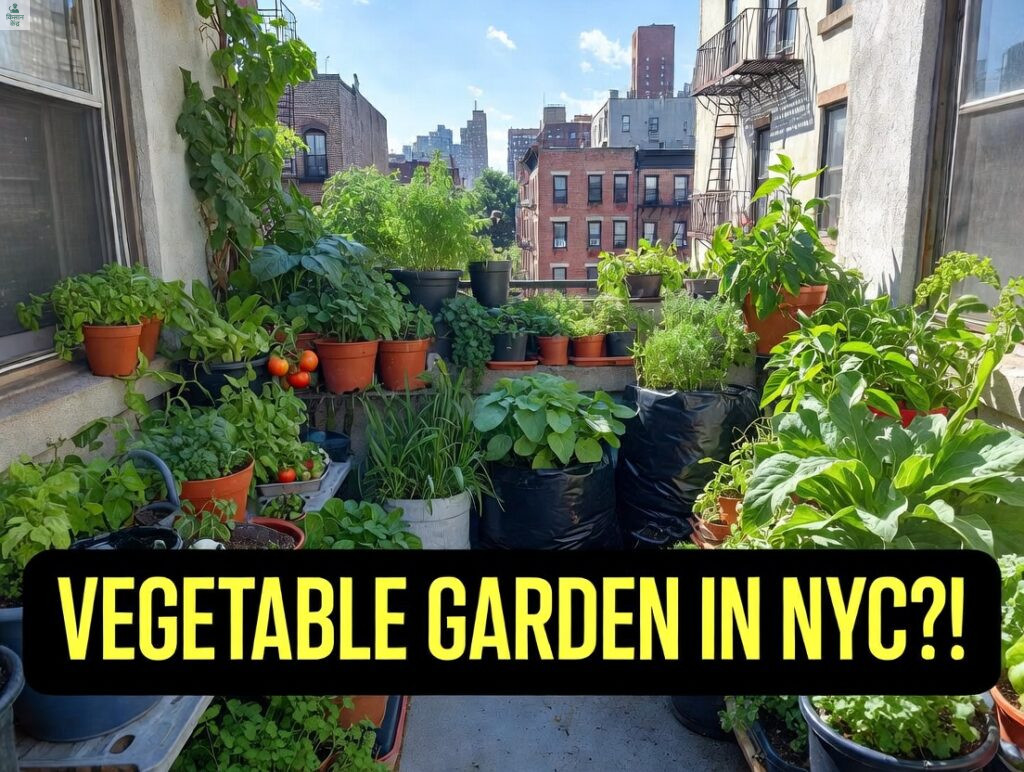
I thought I could just stick seeds in dirt and call it gardening. Turns out, on an NYC balcony, wind tunnels and concrete heat traps have other plans. Back in May 2024, I dumped heirloom tomato seeds into a flimsy plastic pot on my Brooklyn fire escape, watered it once, and waited for magic. What I got was wilted stems and a stern note from my super about “unsecured items.” Lesson one: grow vegetables in containers on NYC apartment balconies isn’t like backyard gardening—it’s urban survival with soil.
Over the next two years, I’ve tried everything—cheap pots, fancy self-waterers, shade-tolerant greens, sun-hungry peppers—and failed more times than I care to admit. But I kept at it because there’s something deeply satisfying about snipping basil you grew yourself while sirens wail below. Whether you’re figuring out growing vegetables on NYC apartment balconies, testing NYC apartment balcony vegetable gardening, or just wondering if container vegetable gardening in NYC apartments is even possible, you’re probably wrestling with the same chaos: limited space, weird light, building rules, and neighbors who think your kale is a fire hazard.
Here’s what actually works in this city. Not theory—real dirt-under-the-fingernails stuff. Like how grow vegetables on apartment balconies in NYC means choosing dwarf varieties that won’t topple in a gust off the East River. Or why NYC balcony vegetable gardening demands lightweight containers after you’ve seen a neighbor’s terracotta pot crack the concrete slab below. I’ve gardened in Zone 7b (Queens), Zone 7a (Lower East Side), and even a shady Harlem nook—and each spot taught me something new about growing vegetables in containers NYC style.
Forget generic advice. This is about vegetable gardening on apartment balconies in NYC as it really is: messy, regulated, and wildly rewarding if you adapt. You’ll need to know vegetable container gardening NYC tricks like using AC condensate for watering or hand-pollinating cucumbers because bees don’t ride elevators. And yes, container gardening for NYC apartments can feed you—just not like a farm. One cherry tomato plant won’t replace your bodega runs, but it’ll taste better than anything you’ve bought.
Understanding NYC Apartment Balcony Gardening Conditions

Why Growing Vegetables in Containers on NYC Apartment Balconies Is Unique
Your balcony isn’t a garden—it’s a micro-ecosystem sandwiched between brick, steel, and exhaust fumes. I planted lettuce in April on my LES balcony thinking, “Cool season = easy.” By May 10, it had bolted into bitter stalks because the black railing absorbed so much heat it cooked the roots. That’s the reality: growing vegetables on NYC apartment balconies means your plants face amplified sun, reflected heat, and wind funnels that don’t show up on weather apps.
NYC Urban Microclimates and the Heat Island Effect
Downtown Manhattan can feel like Phoenix in July. I tracked temps on my phone for a week last summer—my balcony hit 98°F while Central Park registered 86°F. Concrete, asphalt, and glass trap heat, creating zones that act like they’re two USDA zones warmer. My friend in Staten Island (Zone 7a) grows okra easily; I struggle with it in Queens unless I mulch heavily and shade the pots after 2 p.m.
USDA Hardiness Zones for New York City Balcony Gardeners
Most of NYC is Zone 7a or 7b, but container plants are more exposed. In winter 2024, my rosemary in a 5-gallon pot died at 10°F, even though Zone 7b should handle it. Why? Pots freeze faster than ground soil. Now I treat my balcony like Zone 6b in winter and Zone 8b in summer. Always check your exact zip code on the USDA map—but assume your containers live on the edge.
NYC Apartment Balcony Rules, Safety, and Structural Limits
Are You Allowed to Grow Vegetables on NYC Apartment Balconies
Before you buy a single seed, read your lease or co-op rules. I got a warning in 2024 because my tomato cage stuck out past the railing—“obstruction of egress,” they called it. Many buildings ban anything that blocks fire escapes or hangs over edges. Call your super. Better to ask than risk a $200 fine or worse.
Weight Limits, Load Concerns, and Balcony Safety in High-Rise Buildings
A 20-gallon pot full of wet soil weighs over 150 lbs. After seeing a cracked slab on my old building’s third floor, I switched to lightweight fabric grow bags and kept heavy pots near the door, not the edge. If you’re above the 4th floor, stick to containers under 15 gallons unless you’ve confirmed load capacity with management.
Drainage Laws and Water Runoff Concerns in NYC Apartments
Water dripping onto the balcony below you? That’s a fast track to neighbor complaints—or worse. NYC housing codes require that runoff doesn’t damage property or create slip hazards. I use saucers under every pot and water early in the morning so excess moisture evaporates before noon. No one wants to explain why their zucchini caused a lawsuit.
Planning a Balcony Vegetable Garden in Small NYC Spaces
Measuring and Mapping Limited Apartment Balcony Space
My current balcony is 4 ft x 6 ft—barely enough for two chairs and a grill. I sketched it on graph paper, measured every inch, and marked where the railing dips and where the AC unit blocks sun. That’s how I realized I could fit three vertical planters along the side wall and still have room to sit. Don’t guess—measure. Even 6 inches can mean the difference between a thriving pepper plant and a sad, shaded one.
Wind Exposure and How to Protect Balcony Vegetables in NYC
I still remember in March 2025, a 40-mph gust snapped my pea trellis clean off. Now I use bamboo stakes lashed to the railing with zip ties and grow low, bushy varieties like ‘Bush Bean’ instead of vining types. If your balcony faces north or west, assume it’s windy. Windbreaks like lattice panels or tall ornamental grasses (in pots!) can shield your veggies without blocking light.
Layout Planning for Narrow and Fire-Escape Adjacent Balconies
If your balcony doubles as a fire escape—common in older buildings—keep everything mobile and under 12 inches tall near the path. I use rolling caddies for herbs and dwarf kale so I can slide them aside during inspections. Safety first, harvests second.
Best Vegetables to Grow in Containers on NYC Apartment Balconies

Easy Vegetables for Beginner NYC Balcony Gardeners
You can start in a simple way. I remember exactly in spring 2025, I planted radishes, bush beans, and ‘Salad Bowl’ lettuce—all ready in under 50 days. They gave me quick wins while my tomatoes slowly matured. Cherry tomatoes, peppers, and Swiss chard are also forgiving. Skip corn, pumpkins, or anything that needs serious root depth.
Best Leafy Greens for NYC Container Vegetable Gardens
Greens love cool springs and mild falls. I sow arugula every 2 weeks from March through May and again in August. Pro tip: mix in a few nasturtium seeds—they deter aphids and add peppery flowers to salads. Last fall, I grew ‘Red Russian’ kale in a 10-gallon tub and harvested leaves all winter under row cover.
Compact and Dwarf Vegetable Varieties for Small Balconies
Go for bred-for-containers varieties: ‘Tiny Tim’ tomatoes, ‘Patio Snacker’ cucumbers, and ‘Bush Champion’ zucchini. These aren’t gimmicks—they actually produce well in tight spaces. My ‘Patio Princess’ cucumber (planted June 1, 2025) is already yielding 3–4 fruits weekly in a 12-inch pot.
Vegetables That Grow Well on Shaded NYC Apartment Balconies
Got a north-facing balcony? You’re not doomed. I grew scallions, parsley, and ‘Oakleaf’ lettuce on a shady Harlem balcony (Zone 7a) last summer with only 3 hours of direct sun. They grew slower, but they grew. Just avoid fruiting crops like tomatoes or eggplants—they need at least 6 hours.
Choosing Containers for Growing Vegetables on NYC Balconies
Best Container Sizes for Different Balcony Vegetables
Tomatoes and peppers need at least 5 gallons. Herbs and greens do fine in 1–2 gallons. I keep a cheat sheet taped to my tool bin:
- Leafy greens: 1–2 gal
- Radishes, carrots: 3–5 gal (deep!)
- Peppers, eggplants: 5+ gal
- Tomatoes, cucumbers: 10+ gal
Don’t skimp—rootbound plants stress fast in NYC heat.
I used to cram cherry tomatoes into 3-gallon buckets because they looked cute—big mistake. After reading my own notes on container basics, I realized most veggies need way more room than I thought. Turns out, those 12 key rules for container gardening weren’t just for terrace farmers in India—they saved my Queens balcony crop too.
Lightweight and Wind-Safe Containers for High-Rise Apartments
Terracotta looks nice but cracks in freeze-thaw cycles and weighs a ton. I switched to recycled plastic and fabric grow bags after my clay pot shattered in a January thaw. They’re light, breathable, and won’t become projectiles in a storm.
Drainage, Saucers, and Balcony-Friendly Container Setup
Every container must have drainage holes. I drill extra ones if needed. And always—always—use saucers. Not just for your floor, but for your downstairs neighbor’s sanity. I found stackable saucers at a local hardware store in Astoria for $2 each—worth every penny.
Best Soil and Growing Medium for NYC Container Vegetables
Why Garden Soil Fails in Container Vegetable Gardening
I made this mistake twice. Garden soil compacts in pots, suffocating roots and holding too much water. My first batch of basil drowned in three days. Never use backyard dirt or topsoil in containers—it’s not designed for them.
After my third failed tomato crop, I finally checked Cornell’s urban container guide and realized I’d been using pots that were way too shallow—turns out, even on a Queens balcony, roots need room to breathe.
Best Potting Mix for Growing Vegetables in Containers in NYC
Use a quality potting mix labeled for vegetables—look for ones with compost, perlite, and coconut coir. I swear by a local blend from Gowanus Nursery (no affiliation, just good stuff). It’s light, drains well, and holds nutrients. Avoid “moisture control” mixes—they often contain synthetic gels I don’t trust.
Improving Drainage, Aeration, and Nutrient Retention
I mix in a handful of vermiculite and a cup of worm castings per 5 gallons of potting mix. It boosts aeration and slow-release nutrition. Last summer, this combo helped my peppers survive a brutal July heatwave without daily watering.
Sunlight Requirements for NYC Apartment Balcony Vegetables
How Much Sun Vegetables Need on NYC Balconies
Fruiting crops (tomatoes, peppers, and cucumbers) need 6–8 hours of direct sun. Leafy greens and herbs can manage with 3–4. Track your sun with a free app like Sun Surveyor—I did this in February 2025 and discovered my “full sun” balcony only got 5 hours in winter due to a new construction crane next door.
Best Vegetables for North-, East-, South-, and West-Facing Balconies
- South: Tomatoes, peppers, eggplants
- West: Heat-lovers like okra or Malabar spinach (if you’re brave)
- East: Lettuce, spinach, peas—gentle morning light
- North: Herbs, scallions, mustard greens
I rotate crops seasonally based on this. My east balcony shines in spring; my west one takes over in July.
Using Reflective Surfaces and Light Management in Apartments
White walls bounce light. I leaned a salvaged whiteboard against my railing last summer, and my ‘Sweet Million’ cherry tomatoes on the shaded side suddenly doubled their yield. Aluminum foil? Too flashy. But a matte white panel? Works like magic.
Watering Strategies for Container Vegetables on NYC Balconies

How Often to Water Container Vegetables in NYC Apartments
In July, my 10-gallon pots need water every day—sometimes twice. But in May or September, every 2–3 days is enough. Stick your finger in the soil: if the top inch is dry, water deeply until it runs out the bottom. Don’t just sprinkle the surface.
Preventing Overwatering, Underwatering, and Root Rot
I killed three basil plants in 2024 by overwatering during a rainy May. Now I lift pots to check weight—light = dry, heavy = wet. And I never let pots sit in standing water. Root rot smells sour and turns stems mushy. Once it starts, it’s game over.
Self-Watering Containers and Moisture Retention Techniques
For vacations or busy weeks, I use self-watering pots with reservoirs. Or I DIY with a plastic bottle: poke holes in the cap, fill with water, and bury it upside down near the roots. It drips slowly for 2–3 days. Saved my July harvest when I had jury duty.
Fertilizing and Feeding Vegetables Grown in Containers
When and How to Fertilize Container Vegetables Naturally
Potting mix runs out of nutrients fast. I start feeding 3 weeks after planting with diluted fish emulsion every 10 days. In midsummer, I switch to compost tea. My July 5, 2025, tomato feeding gave me my first ripe fruit by July 28—earlier than ever.
Recognizing Nutrient Deficiencies in Balcony-Grown Vegetables
Yellow leaves? Could be nitrogen. Purple undersides? Phosphorus. Stunted growth? Maybe potassium. I keep a symptom chart on my phone. Last year, my peppers turned purple—I added bone meal, and within a week, the new growth was green.
Organic Feeding Options Suitable for Apartment Living
Fish emulsion stinks, so I apply it at dusk when neighbors are less likely to complain. Kelp extract and worm casting tea are odorless alternatives. I brew my own compost tea in a 5-gallon bucket on the fire escape—covered with mesh so pigeons don’t dive in.
Seasonal Planting Calendar for NYC Balcony Vegetable Gardening

Early Spring Vegetables for NYC Container Gardens
Planted March 15, 2025: spinach, radishes, peas, and ‘Winterbor’ kale. All sprouted by March 25 despite a late frost. Use cloches or milk jugs with bottoms cut off for protection.
Summer Heat-Tolerant Vegetables for Apartment Balconies
Planted June 1, 2025: ‘Heatmaster’ tomatoes, ‘Cajun Belle’ peppers, okra, and sweet potatoes (yes, in big tubs!). They thrived through 90°F days. Mulch heavily to keep roots cool.
Fall and Cool-Season Crops for NYC Containers
Sow arugula, mache, and tatsoi in late August. I planted on October 2, 2024, and harvested greens through Thanksgiving under a frost blanket. Broccoli? Too slow—skip it unless you start indoors in July.
Pollination and Flowering Challenges on Apartment Balconies
Do Balcony Vegetables Need Hand Pollination
Bees are scarce up high. My first cucumber flowers dropped in 2024. Now I hand-pollinate with a small brush every morning—it takes 2 minutes. Female flowers have a tiny fruit behind them; male flowers don’t. Transfer pollen from male to female.
Encouraging Pollinators in Urban NYC Settings
Plant marigolds, borage, or alyssum nearby. They attract whatever bees and hoverflies are around. My borage brought in so many pollinators last summer, my neighbor asked what I was growing.
Common Flower Drop Issues in Container Vegetables
Stress causes flower drop—too hot, too dry, or too much nitrogen. I lost early tomato blooms in June 2025 during a heat spike. Now I shade plants with shade cloth when temps hit 90°F+.
Pest and Disease Management for NYC Balcony Gardens
Common Urban Pests Affecting NYC Balcony Vegetables
Aphids, spider mites, and whiteflies love stressed plants. I spotted aphids on my kale on May 10, 2025—tiny green dots on the undersides.
Natural and Apartment-Safe Pest Control Methods
Blast them off with water first. Then spray with diluted neem oil (1 tsp per quart) at dusk. I avoid harsh chemicals—my balcony is 10 feet from my open window.
Preventing Fungal and Moisture-Related Diseases
Space plants for airflow. Water at the base, not the leaves. Remove yellowed leaves fast. I lost a zucchini to powdery mildew in 2024 by overcrowding—lesson learned.
Vertical Gardening and Space-Saving Techniques for NYC Balconies
Vertical Vegetable Gardening for Small Apartment Balconies
I mounted a shoe organizer on my wall for herbs and strawberries. Each pocket holds a 6-inch pot. Also great for green onions or dwarf bush beans.
Trellising and Climbing Vegetables Safely in High-Rises
Use sturdy trellises anchored to railings—not flimsy stakes. My ‘Sugar Snap’ peas climbed a netting panel tied to the railing with paracord. Survived 30 mph winds.
Maximizing Harvests in Limited NYC Balcony Space
Succession planting is key. When radishes finish in May, I replant with bush beans. When beans fade in August, I sow arugula. Keep soil productive year-round.
Harvesting, Yield Expectations, and Ongoing Care
When and How to Harvest Container-Grown Vegetables
Pick leafy greens outer-leaf first. Harvest beans when slender. Tomatoes when fully colored but slightly firm. I picked my first ‘Patio Princess’ cucumber on July 12, 2025—crisp, cool, and worth every failed attempt.
Realistic Yield Expectations for NYC Apartment Balconies
Don’t expect bushels. One healthy tomato plant might give 10–15 fruits over summer. A pot of bush beans yields 1–2 cups per week. It won’t feed you all year. But eating something you grew six feet above a Queens sidewalk hits different.
Extending the Harvest Season in Containers
Use row covers in fall. Bring herbs like parsley indoors before hard frost. Overwinter kale with mulch and fleece. My November 2024 kale survived to January 2025.
Winter Care and Off-Season Balcony Gardening in NYC
What Happens to Container Vegetables During NYC Winters
Most annuals die. Perennials like thyme or oregano may survive if protected. Empty pots crack if left full of wet soil. I empty mine by late November.
Overwintering Herbs and Hardy Vegetables on Balconies
I keep rosemary in a sheltered corner wrapped in burlap. Kale gets mulched with straw and covered with frost cloth. Both survived December 2024’s -5°F wind chill.
Preparing Containers for Next Growing Season
In February, I scrub pots with vinegar water, refill with a fresh mix, and start seeds indoors. By March, I’m ready to go again.
Common Mistakes When Growing Vegetables on NYC Apartment Balconies
Choosing Containers That Are Too Small
My first tomato in a 3-gallon pot produced two sad fruits. Bigger pots = healthier roots = better yields. Minimum 5 gallons for fruiting crops.
Misjudging Sunlight and Wind Exposure
I assumed my balcony was “sunny” until I tracked it. Turns out, only 4 hours of true sun. Adjusted crop choices accordingly.
Overcrowding and Overfeeding Container Vegetables
Planted three basil plants in one pot in 2024. They tangled, mildewed, and died. Now: one plant per pot. Same with fertilizer—more isn’t better.
Sustainable and Eco-Friendly Balcony Vegetable Gardening
Reducing Water Waste in Container Gardens
Water in the morning. Use mulch (straw or shredded leaves). Collect AC condensate in buckets—I get 2 gallons a day in summer.
Composting Options for NYC Apartment Dwellers
I use a Bokashi bin under my sink. Ferments scraps in 2 weeks. Then I bury the pre-compost in my largest veggie tub. No smell, no pests.
Reusing Containers and Sustainable Growing Practices
Old buckets, yogurt tubs (with holes drilled), even broken dresser drawers lined with landscape fabric—I’ve used them all. Gardening shouldn’t cost a fortune.
Common Questions about Growing Vegetables in Containers on NYC Apartment Balconies
1. Can I really grow vegetables on a small NYC balcony?
Yes—even a 4×6 ft space can yield herbs, greens, and compact veggies like cherry tomatoes if you manage sun and wind.
2. What vegetables grow best in containers in New York City?
Leafy greens, radishes, bush beans, cherry tomatoes, peppers, and dwarf cucumbers. Avoid large or vining crops like corn or pumpkins.
3. How much sunlight do balcony vegetables need in NYC?
Fruiting plants need 6–8 hours of direct sun; leafy greens and herbs need 3–4. Track your actual sun—shadows from buildings matter.
4. Are there NYC laws against growing vegetables on balconies?
No city law bans it, but your building may restrict setups that block fire escapes, overhang railings, or cause drainage issues.
5. What size pots do I need for tomatoes or peppers on a balcony?
Peppers: minimum 5 gallons. Tomatoes: 10+ gallons. Smaller pots dry out fast and stunt growth in NYC heat.
6. How often should I water container vegetables in NYC summers?
Daily in hot weather (85°F+), sometimes twice. Water deeply when the top inch of soil feels dry.
7. Can I grow vegetables on a north-facing NYC balcony?
Yes—grow shade-tolerant crops like parsley, scallions, arugula, or mustard greens with as little as 3 hours of indirect light.
8. How do I protect my balcony garden from NYC wind?
Anchor plants to railings, use low-growing varieties, and add lightweight windbreaks like lattice panels secured safely.
9. What’s the best soil for container vegetables in NYC?
Use quality potting mix (not garden soil) with compost, perlite, and coir. Add worm castings for nutrients and moisture retention.
10. Can I keep my balcony garden going in winter in NYC?
Summer crops die after frost, but kale, mache, and hardy herbs can survive with mulch and frost cloth. Empty pots to prevent cracking.
Wrapping Up
You don’t need a yard to grow real food in New York City. You just need patience, the right pot, and a willingness to learn from busted tomatoes and windblown soil. I’ve lost count of how many mistakes I’ve made—but each one taught me something.
This July, as I bit into my homegrown cucumber on a sweltering Queens evening, I remembered that wilted mess from 2024. Funny how a little dirt, a lot of attention, and respect for this wild urban climate can turn a concrete ledge into something alive.