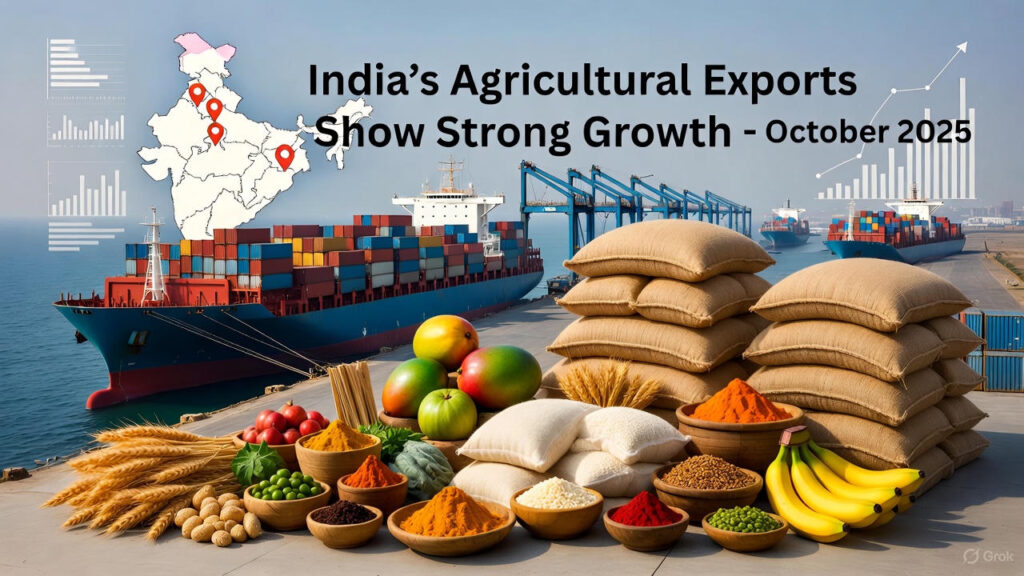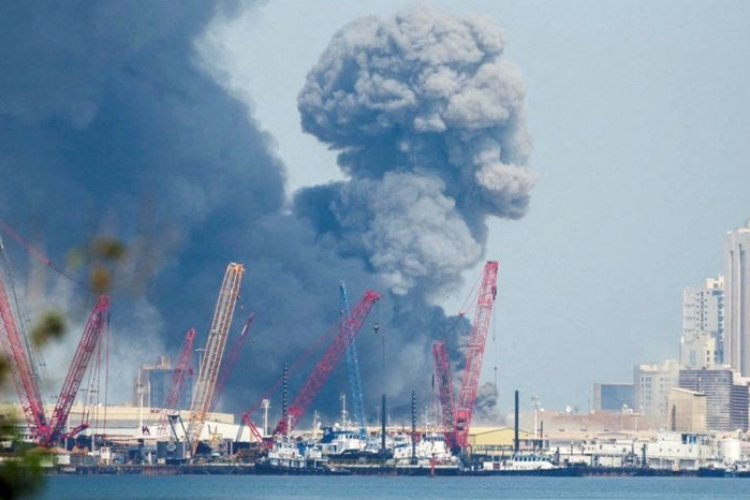
India’s exports to the Gulf and West Asian markets have come to a halt after regional tensions escalated following Iran’s retaliatory strikes. Shipping lines imposed emergency conflict surcharges of $2,000-$4,000 per container, making the trade unviable. The Commerce Ministry has called a high-level meeting as agricultural shipments and port operations face severe disruption on the affected routes.
India’s exports to the Gulf and many Western markets have come to a halt amid rising tensions following Iran’s retaliation to attacks by the United States and Israel. Growing security risks in the region have prompted shipping companies to impose emergency conflict surcharges of $2,000 to $4,000 per container on cargo traveling to and from Gulf and West Asian destinations.
The new charges came into effect on March 2. Senior government sources told Rural Voice that a high-level meeting has been called in the Commerce Ministry to assess the situation. This meeting was called by the Director General of Foreign Trade (DGFT).
According to information available to Rural Voice, shipping companies have informed exporters that emergency conflict surcharge will be applicable on all new bookings. The surcharge covers shipments from the ports of Iraq, Bahrain, Kuwait, Yemen, Qatar, Oman, United Arab Emirates (UAE), Kingdom of Saudi Arabia, Jordan, Egypt (Port of Ain Sokhna), Djibouti, Sudan and Eritrea.
Under the revised pricing structure, in addition to existing freight rates, an additional $2,000 per 20-foot dry container, $3,000 per 40-foot container and $4,000 per container for reefers or special equipment will be charged.
Representatives of the export industry say that shipment under such high costs is commercially unviable, as margins will be severely eroded. According to industry sources, exports of agriculture and allied products to these destinations by sea and air have been suspended for the time being.
Delhi-based think tank Global Trade Research Initiative (GTRI) estimates that India exported goods worth about $1.2 billion to Iran in calendar year 2025, with agricultural goods accounting for the bulk. Rice exports alone were valued at $747 million, followed by bananas at $61 million and tea at $51 million.
Industry officials also point to operational disruptions at ports as an additional concern. Loading of cargo bound for the affected countries has reportedly been halted, resulting in port authorities imposing ground charges of about $100 per day on stranded containers.
Commerce ministry sources indicate that exports to Europe and other markets through the affected corridor have also been disrupted. Although the government is reviewing the evolving situation, no formal assessment of the trade impact has yet been made.
Officials from export promotion bodies and major shipping lines have also been invited to the Commerce Ministry meeting. The government is expected to urge shipping companies to reconsider or reduce the newly imposed surcharge to reduce the burden on exporters.