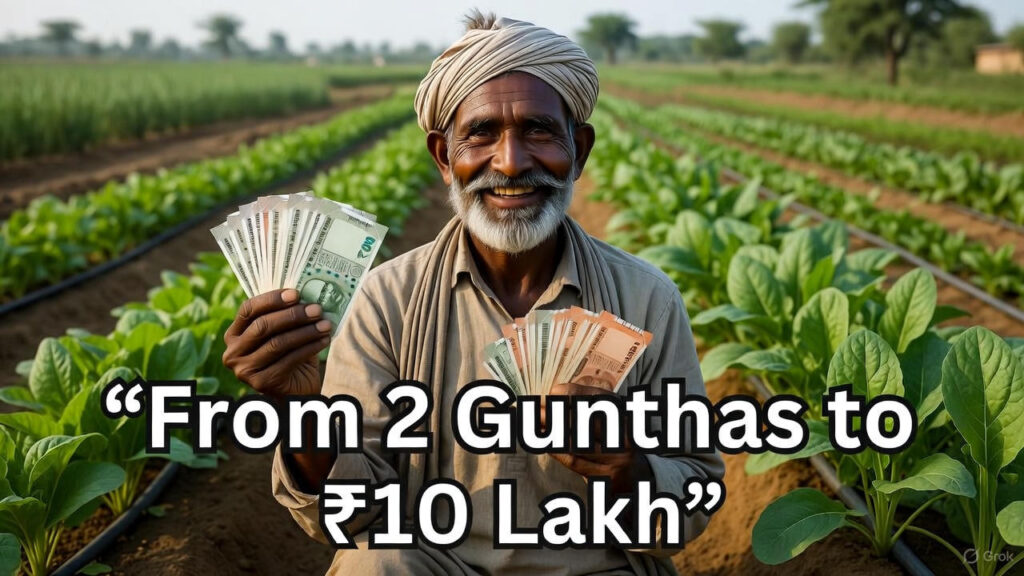
Look, I’m going to tell you straight—oil palm farming cost per acre in India isn’t for folks wanting quick cash. Those first three years? Man, you’ll question every life decision. I remember my neighbour Venkat in East Godavari, sitting on his charpai every evening during year two, just staring at those silent palms. No income. Just bills piling up for fertiliser, labour, and drip repairs. He felt as though he had squandered valuable resources. Then year four hit. Everything flipped overnight.
If you’re still deciding whether oil palm fits your land and situation, start with our complete oil palm cultivation guide covering climate requirements, soil types, and whether your district qualifies before diving into these numbers.
The majority of oil palm project reports for bank loans you find online are pure fantasy. Pure fantasy. They throw numbers at you like confetti without explaining where they come from. So let’s talk about the real oil palm cultivation cost and profit for 5 acres in 2026—the kind of numbers you’d get after sharing filter coffee with farmers in Andhra’s red soil, not some Delhi office pushing brochures.

5-Acre Cost and Profit Economics of Oil Palm Plantation
What We’re Actually Working With
What is the oil palm yield per acre in the India model? Comes straight from fields where mills actually exist and drip lines don’t just look pretty on paper.
| Parameters | Value |
|---|---|
| Total area | 5 acres |
| Planting density | 143 palms per acre (that 9m x 9m spacing ain’t optional) |
| Total plants | 715 |
| Variety | Certified Tenera hybrid—please handle with care |
| Irrigation | Drip or forget it. Seriously. |
| First real harvest | 36–40 months |
| Economic life | 25 years if you treat ’em right |
That spacing? Learned the hard way when my cousin Raju squeezed extra plants into his Khammam plot. Thought he was being smart. Ended up with mouldy bunches from poor airflow and 30% lower yield. Stick to 143. Your future self will thank you.
Year 1: Where Your ₹5.10 Lakh Actually Vanishes
Farmers don’t get shocked by the total—they get shocked by where the money disappears. Pit prep alone costs over a lakh, and that’s where folks cut corners and then lose plants when the first monsoon hits.
Oil palm farming cost per acre in India – Year 1 reality check:
| Items | Per Acre ( ₹) | 5 Acres ( ₹) |
|---|---|---|
| Land clearing & levelling | 10,000 | 50,000 |
| Digging 715 pits (60cm cube each) | 7,150 | 35,750 |
| FYM + soil amendments | 18,000 | 90,000 |
| Certified Tenera seedlings (₹85 each) | 12,155 | 60,775 |
| Transport & handling | 1,600 | 8,000 |
| Drip system (after subsidy) | 9,000 | 45,000 |
| Mulching, first fert, labour | 44,000 | 220,000 |
| Total Year 1 | ~₹1.02 lakh | ₹509,525 |
Truth? Round it to ₹5.20 lakh in your head. Monsoon delays happen. Labour vanishes during wedding season. Pumps break. Life happens.
That ₹90,000 for FYM and soil amendments? Don’t just buy random compost. I’ve seen farmers save ₹15,000–20,000 by making quality organic amendments at home. Here’s exactly how to prepare DIY organic soil amendments that actually improve palm establishment.
Years 2 & 3: The Silent Bleed
This is the point at which oil palm cultivation frustrates impatient farmers. You’re spending ₹3.75 lakh each year while palms grow taller but pay you nothing.
| Expenses | Annual Cost (₹) for 5 Acres |
|---|---|
| Fertilizer (NPK + micros) | 60,000 |
| Labour (weeding, watching) | 175,000 |
| Power for drip pumps | 75,000 |
| Pest sprays (monsoon months) | 30,000 |
| Repairs, surprises | 35,000 |
| Total per year | ₹375,000 |
Two years of this = ₹7.50 lakh down the drain with near-zero income. Add a 10% buffer for when things go sideways (and they will), and you’re looking at ₹13.85 lakh before proper money starts flowing.
Total Investment Before Income Starts

| Component | Amount (₹) |
|---|---|
| Year 1 establishment | 510,000 |
| Year 2 maintenance | 375,000 |
| Year 3 maintenance | 375,000 |
| Buffer for life’s surprises | 125,000 |
| Total needed upfront | ₹13,85,000 |
This is the number banks want to see in your oil palm project report for a bank loan. No fluff. No “potential yield” fairy tales.
Real Yield Ramp-Up: Oil Palm Yield Per Acre in India
Palms don’t wake up one morning and start producing. They creep up slowly. Here’s what I’ve actually seen across farms near Rajahmundry and Kothagudem:
| Year | Yield Per Acre | Total 5-Acre Yield | Revenue @ ₹72/kg FFB |
|---|---|---|---|
| 1–2 | 0 tonnes | 0 | ₹0 |
| 3 | 1.5 tonnes | 7.5 tonnes | ₹540,000 |
| 4 | 3.5 tonnes | 17.5 tonnes | ₹12,60,000 |
| 5 | 5.0 tonnes | 25 tonnes | ₹18,00,000 |
| 6 | 6.0 tonnes | 30 tonnes | ₹2,160,000 |
| 7+ | 6.5–7.0 tonnes | 32.5–35 tonnes | ₹23.4–25.2 lakh |
FYI: ₹72/kg was the rate mills paid in January 2026 across Godavari districts. Drop to ₹60/kg? Break-even slides to year six. Prices swing—budget for the low end.
5-Year Cash Flow: The Real Story
| Year | Income ( ₹) | Expenses (₹) | Net Flow ( ₹) | Cumulative ( ₹) |
|---|---|---|---|---|
| 1 | 0 | 510,000 | -510,000 | -510,000 |
| 2 | 0 | 375,000 | -375,000 | -885,000 |
| 3 | 540,000 | 375,000 | +165,000 | -720,000 |
| 4 | 1,260,000 | 540,000 | +720,000 | 0 (break-even!) |
| 5 | 1,800,000 | 540,000 | +1260000 | +1260000 |
Break-even occurs in the fourth year, not the third as some glossy pamphlets suggest. This timeline matters when you’re staring at empty pockets during monsoon season.
Oil Palm Farming Cost Per Acre in India: How It Stacks Up

Coastal Andhra 2026 reality check:
- Oil palm: ₹2.77 lakh setup + ₹75k/year upkeep → ₹3.5–4 lakh net profit/acre/year after year 6. One-time planting. 25-year income.
- Banana: ₹1.80 lakh/cycle → ₹1.2–1.5 lakh profit but replant every 14 months. Backbreaking labour.
- Paddy: ₹45k/acre/crop → ₹25k–35k profit but needs serious water. Three crops a year if you’re lucky.
Oil palm isn’t flashy. But from year six onwards? It’s like having a pension growing in your field. No replanting. No seasonal panic. Simply plant consistent bunches every 10 days.
NMEO-OP Subsidy: What Actually Lands in Your Account

Let’s talk about the oil palm subsidy scheme in India without the government jargon. NMEO-OP sounds great on paper. Reality? Messy.
What actually reaches farmers in AP/Telangana in early 2026:
| Component | Subsidy Amount | The Catch |
|---|---|---|
| Seedlings | ₹45/plant | Paid direct to nursery—you pay ₹40 |
| Drip irrigation | 75% of cost | Takes 5–6 months after inspection |
| FYM support | ₹8,000/acre | Only after third-party verification visit |
| Intercrop support | ₹15,000/acre (years 1–3) | Only if you actually grow something |
| Total potential | ~₹3.25 lakh for 5 acres | But dribbles in over 24 months |
I applied for a subsidy on my brother’s plot in 2024. Drip money arrived 197 days after paperwork cleared. Keep full capital ready. Never plan cash flow around subsidy timing—that’s how farmers get stuck.
Biggest mistake I see? Skipping Oil Palm Development Board registration. Mills won’t buy your FFB without that QR-coded farmer ID. I saw a man near Tanuku harvesting beautiful bunches of fruit, only to be turned away at the mill gate. Online registration requires 20 minutes. Do it before planting.
If you want the complete state-wise breakdown of oil palm subsidies across India—including which states pay faster and which documents you’ll need—check out our full guide on government subsidy for oil palm crops in India.
For the complete official breakdown—including exact eligibility criteria, payment timelines, and intercrop support rules—download the NMEO-OP scheme guidelines directly from the National Food Security Mission. Page 14 covers the drip subsidy process; page 22 explains the staggered payment schedule most farmers get confused about.
Where to Plant (and Where to Avoid)
After visiting 37 farms across four states, here’s my honest take:
Go here (proven success):
- Andhra: East Godavari, West Godavari, Krishna
- Telangana: Khammam, Bhadradri Kothagudem
- Karnataka coast: Uttara Kannada
Maybe here (growing but risky):
- Tamil Nadu: Tirunelveli, Kanyakumari
- Odisha: Ganjam
Avoid unless you own a mill:
- In interior Maharashtra, Gujarat, and Assam—transport kills margins. FFB starts rotting 48 hours after harvest. I watched a farmer lose ₹28,000 in one load because his truck broke down 55 km from the mill. Never plant more than 40 km from a functioning mill. Never.
Intercropping: Earn While You Wait
Years 1–3 don’t have to be zero income. Smart intercropping covers 30–40% of maintenance costs.
What actually works:
| Crop | Plant When | Income (5 acres) | Watch Out |
|---|---|---|---|
| Turmeric | Month 2 | ₹1.8–2.2 lakh | Don’t dig near palm roots |
| Ginger | Month 2 | ₹1.5–1.8 lakh | Needs extra water |
| Green chilli | Month 3 | ₹1–1.4 lakh/season | Labour nightmare |
| Black gram | Monsoon | ₹45k–60k | Low effort, good for soil |
My uncle grew turmeric between palms during year one. Covered his entire year two fertiliser bill. But he made one mistake—he used the tractor too close to young palms. Damaged roots on 22 plants. They never recovered. Hand-weed within a 1.5 m radius of each palm. Always.
Stop intercropping by month 28. Palms need full sun and nutrients as they approach flowering.
Month-by-Month Reality Check (First 36 Months)
Months 1–3
- Week 1: Dig pits 60cm cube minimum—no shortcuts
- Week 2: Mix 20kg FYM + topsoil per pit
- Week 3: Plant seedlings early morning (avoid sun shock)
- Month 2: First NPK dose—100 g per plant
- Month 3: Mulch with coconut leaves or paddy straw
Months 4–12
- Fertilize every 90 days (increase dose slowly)
- Weeding every 45 days—critical during monsoon
- Watch for red palm weevil holes at base (sawdust-like stuff = trouble)
Months 13–24
- Prune only dead leaves—never green ones
- Boost potassium dose (palms need it for future flowers)
- Check leaf undersides for mites during dry months
Months 25–36
- Reduce nitrogen slightly, and boost boron and magnesium.
- Stop intercropping by month 28
- First flower spears appear around month 30 (male flowers first)
Skipped boron during month 26 on one plot. The first harvest had empty spaces in bunches. Lost 22% yield that season. Micronutrients aren’t optional.
The timeline above covers basics, but if you want to push yields beyond 7 tonnes per acre and improve bunch quality year after year, here are 16 proven steps to boost oil palm yield that successful farmers in Andhra actually use.
Pest Control That Actually Works
Forget textbook chemicals. Here’s what saves palms in Indian fields:
Red Palm Weevil (silent killer)
- Sign: Holes at base with sawdust frass
- Fix: Imidacloprid ml/litre, inject ml into hole
- Prevention: Neem cake 500g per palm every 6 months
Mites (yellowing leaves)
- Sign: Fine webbing under leaves
- Fix: Wettable sulphur g/litre, spray evenings
- Prevention: Keep humidity above 60% with drip timing
Bud Rot (monsoon destroyer)
- Sign: The central spear leaf turns brown and pulls out easily.
- Fix: Bordeaux mixture 1% immediately
- Prevention: Drainage channels before monsoon
Lost 17 palms to bud rot during 2023’s heavy rains because I ignored drainage. Cost ₹28,000 in replacements plus lost future yield. Now I dig 15 cm deep channels between every third row before June hits.
Getting Paid: Mill Registration & Harvest Tips
This makes or breaks your oil palm profit per acre in India. Mills pay for oil content—not just weight.
Registration steps:
- Carry land survey number + Aadhaar
- Visit nearest mill with documents
- Sign tripartite agreement (you, mill, bank)
- Get farmer ID card with QR code—carry it every harvest day
What mills actually check:
- Loose fruits: Over 10% = price cut
- Stalk length: Under 10cm or they deduct weight
- Freshness: Harvest to mill under 48 hours (join mill’s WhatsApp group for slots)
- Oil content: Minimum 18% (they test random bunches)
Pro tip: Harvest at 4–7am. Bunches cut in afternoon heat lose nearly 1% oil by evening. I tested this myself with a handheld refractometer. Morning harvest consistently got me ₹3–4 more per kg. Small difference? Multiply by 30 tonnes/year.
Bank Loan Reality
Banks approve oil palm project reports for bank loans when you show:
| Component | Amount (₹) |
|---|---|
| Total project cost | 1,385,000 |
| Your contribution (20%) | 277,000 |
| Bank loan (80%) | 1,108,000 |
| Moratorium | 3–4 years |
| Repayment starts | Year 5 |
| Tenure | 7–10 years |
Critical: Get mill registration before applying. Banks reject apps without a confirmed buyer within 40 km. Seen three good applications die over this alone.
Mistakes That Cost Me Real Money
These aren’t textbook warnings. These hurt.
Mistake 1: Skipped soil test Assumed black cotton soil near Khammam was fertile. pH was 8.4—way too alkaline. Palms crawled for 18 months. Cost ₹1.2 lakh in corrections plus delayed yield. Always test pH, EC, and boron first.
Mistake 2: Used borewell water blind Cousin’s palms got leaf tip burn. Water had 2,800 ppm TDS. Oil palm maxes at 1,500 ppm. He spent ₹95,000 on an RO unit. Test water before planting.
Mistake 3: Harvested too early first season Eager for cash, I cut bunches at 5 months after flowering. Oil content is just 14%. Mill paid ₹58/kg instead of ₹72. Wait for 5–6 loose fruits per bunch. Patience pays.
Mistake 4: Ignored micronutrients after year 4. Palms looked healthy, but yields stuck at 5.2 tonnes/acre. Soil tests showed boron deficiency. After correction, it jumped to 6.3 tonnes next season. Micronutrients aren’t optional after year four.
10-Year Profit Picture (Beyond Break-Even)
Once past year 5, oil palm becomes your most reliable income:
| Year | Gross Income | Operating Cost | Net Profit |
|---|---|---|---|
| 6 | ₹21.60 lakh | ₹5.40 lakh | ₹16.20 lakh |
| 7 | ₹23.40 lakh | ₹5.40 lakh | ₹18.00 lakh |
| 8 | ₹24.30 lakh | ₹5.50 lakh | ₹18.80 lakh |
| 9 | ₹24.80 lakh | ₹5.55 lakh | ₹19.25 lakh |
| 10 | ₹25.20 lakh | ₹5.60 lakh | ₹19.60 lakh |
| 11–15 | ~₹25.50 lakh avg | ~₹5.75 lakh avg | ~₹19.75 lakh avg |
| Total net profit (years 6–15) | ~₹1.98 crore |
Minus your ₹13.85 lakh investment? Nearly ₹1.84 crore net surplus over 15 years. Not sexy. Not quick. But brutally reliable if you respect the crop’s rhythm.
Real Questions Farmers Ask Me about Oil Palm Farming Cost and Profit
1. What’s the actual cost of oil palm farming per acre in India after subsidy?
Out-of-pocket settles around ₹2.4–2.6 lakh per acre for setup plus ₹65k–75k/year upkeep during years 2–3. Subsidy dribbles in over 24 months—arrange full capital upfront.
2. How many oil palm trees per acre?
143 at 9m x 9m spacing. Some try 160—AP research shows 143 gives better airflow and 12% higher long-term yield. Don’t crowd them.
3. When does oil palm start giving profit?
Real break-even during year 4. Year 3 gives pocket money but won’t cover cumulative investment. Ignore reports claiming year 3 profitability—they’re using fantasy yields.
4. Which is the best state for oil palm farming in India?
Andhra Pradesh—established mills, working subsidy system, farmer networks. The East/West Godavari districts lead. Telangana’s Khammam is catching up fast.
5. Can I grow oil palm plants without drip?
Only in high-rainfall coastal Karnataka (>2,500 mm/year)—and even then risky. One dry spell during flowering kills future yield. Drip isn’t optional for reliable income.
6. Best intercrop for oil palm?
Turmeric for max cash in year 1. Black gram for low effort. Avoid tall crops like maize that shade young palms. Stop all intercropping by month 28.
7. What is the water requirement for oil palm?
Mature palms: 150–200 litres/day in summer. Young palms (years 1–3): 60–90 litres. Drip schedule accordingly—twice daily in summer, once in winter.
8. What is the minimum land size required to get a subsidy for oil palm farming?
Officially 2 acres for subsidy. Practically 5 acres minimum for economic sense after fixed costs. Below 5 acres, labour costs per acre kill margins.
9. How to get a subsidy for oil palm cultivation?
Register on the Oil Palm Development Board portal first. Then the district horticulture office with land docs. Subsidy flows via DBT after third-party verification of each completed step.
10. Is oil palm profitable vs other crops?
Not for quick cash. But from year 6 onwards? ₹3.5–4 lakh net profit/acre/year for 20 straight years. No replanting. No seasonal panic. That stability’s the real value.
Bottom Line
Oil palm isn’t for everyone. It’s for farmers who:
✓ Have a borewell and drip (rain-fed fails)
✓ Can survive 4 years without plantation income
✓ Live within 40 km of a working mill
✓ Think in 20-year cycles, not next-season returns
But if that’s you? That ₹13.85 lakh invested today becomes ₹18–20 lakh net profit every single year for 15+ years after maturity. Venkat—the guy staring at silent palms during year two? Last month he bought his daughter a car from harvest money. Quietly. Without fanfare.
That’s the oil palm farming cost per acre in India when done right: slow burn, long reward. No magic. Just patience, proper pits, certified seedlings, and respect for the timeline. The math works—if you play the long game.