Regulatory alignment, scientific interpretation of standards and structured compliance systems will define the trajectory of the global spices industry by 2030.
Addressing the session on “The World of Spices in 2030: Emerging Spices Regulatory Landscape”, Ramkumar Menon, Chairman of the Technical Committee of AISEF and President of the World Spices Organization (WSO), said the industry must move from reactive crisis management to a preventive compliance framework. “The direction of global regulation is clear. Legal certainty and harmonized interpretation are essential if exporters are to confidently invest in compliance,” he said.
Maximum residue limits, contaminant limits and laboratory-to-laboratory testing variations continue to create uncertainty for producing countries. With increasing non-tariff measures in the EU and the US, he stressed that science-based explanations should prevail.
“Compliance must be predictable and globally harmonized. Collaboration between regulators, associations and accredited laboratories is critical,” Menon said.
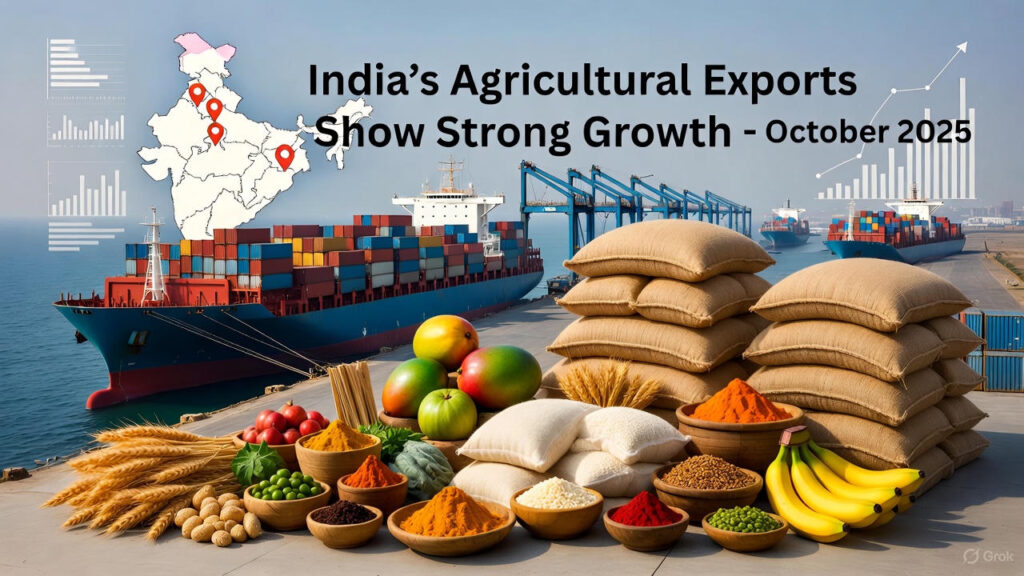
Global trade data presented at the session revealed that the spices market is worth $20-22 billion with an estimated growth rate of 6 to 7.5 percent. India’s exports stand at $4.72 billion with an estimated growth of 5 to 6 percent, while Europe – a major high value destination – is expected to grow at 7.6 percent annually to reach $1.58 billion by 2030. Europe currently imports about 450,000 tonnes of spices and herbs from developing countries each year, accounting for one fifth of the global trade volume.
Laura Shumo, executive director of the American Spice Trade Association, said consumer perception is increasingly shaping regulatory action. “Confidence in the safety of imported foods has weakened, and this perception directly impacts policy,” he said, highlighting scrutiny around contaminants such as ethylene oxide, pesticides and heavy metals. “Preventive integrity protects market access.”
European Spice Association (ESA) Technical Commission President Stefano Trumpi called for harmonized enforcement within the EU. Science-based interpretation is necessary for legal certainty. He advocated a proportionate risk-based assessment, saying the industry cannot invest where expectations are unclear.
Hoang Thi Lien, chairperson of the Vietnam Pepper and Spice Association (VPSA), stressed stronger governance at the origin level and closer interaction between exporting countries and importer regulators to minimize trade disruptions caused by rising standards and increased border controls.
Published on February 25, 2026