The signing of the India-EU FTA is a positive development for how India engages with international agricultural trade in general and dairy in particular, as the economic, social and nutritional aspects of the dairy sector are interconnected. Rather than encouraging rapid liberalization, this agreement embodies a balanced trade approach: one that protects Indian farmers, supports Indian production systems, and at the same time prepares the Indian dairy sector for future participation in the global economy through value-added growth.
In an industry that supports millions of rural families and contributes so significantly to the country’s food security, such careful planning is extremely important. The India-EU agreement shows that global engagement and protectionism do not have to be mutually exclusive.
Protecting farmers while enabling sustainability
One of the most distinctive aspects of the India-EU FTA is the consideration of sensitive agricultural sectors. The free trade agreement between India and the European Union provides for tariff reduction on almost all products traded between these two regions. However, in the dairy sector, there is currently no immediate tariff reduction as per the provisions of the Treaty. This is an acknowledgment of the reality of the Indian dairy sector, which is predominantly composed of many small and marginal farmers, who are heavily dependent on a steady flow of revenue from milk sales. India is not only the largest milk producer in the world (about 25% of total production), but the dairy industry itself is very decentralized and demand driven.
In this scenario, the sector would be vulnerable to the effects of subsidized dairy imports. The agreement protects the sector from such impacts and assures farmers that trade liberalization will not compromise their income streams. This is important to encourage investment in the sector.
Strengthening local production as a business strategy
The competitiveness of dairy products globally does not start at the border but in the local supply chain. India-EU FTA indirectly supports local production systems, through protection of safeguards and promotion of regulatory cooperation. This gives time to the industry to improve efficiency, upgrade processing facilities and bring farmers into the organized value chain.
The strength of local industry is also a necessary condition to be ready for export. Better procurement practices, better cold chain access and better quality testing will benefit local consumers as well as the export market. In this respect, protection of local industry is not protectionist but enabling.
Processed dairy: opening doors to global markets
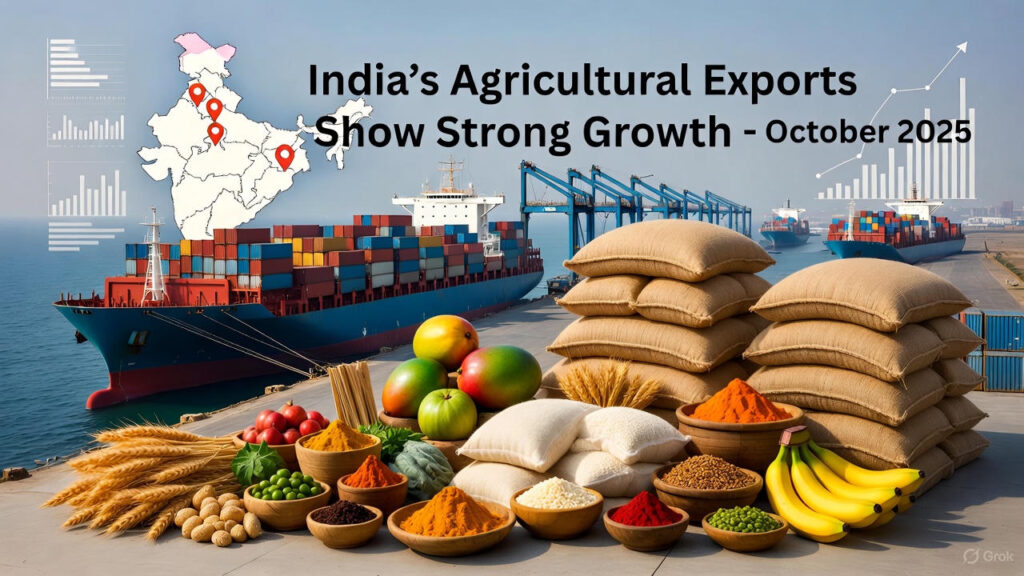
The brightest prospects for Indian dairy exports lie in the processed and value-added sectors, and not in fluid milk. Worldwide, the dairy trade is dominated by categories such as butter, milk powder, cheese, whey and dairy ingredients, where shelf life and quality are more important than distance. There has been a significant increase in the export of dairy products, especially ghee, butter and milk powder in the financial year 2024-25.
The agreement between India and the EU, while not liberalizing the dairy sector at this stage, has certainly created a more favorable trade environment with greater clarity in regulations. This, in turn, opens the way for Indian processed dairy exports to enter the highest quality markets in the world, not only in Europe but also in other countries following EU standards.
The decentralized dairy production system in India, coupled with increasing processing capacity, provides natural flexibility, as long as it is combined with efficient logistics and transparent systems. Trade agreements such as the India-EU FTA facilitate this transition by linking market access with quality assurance and compliance.
Quality, Innovation and Sustainability as Differentiators
The competitiveness of the global dairy market is increasingly based on more than just price. Food safety, traceability, environmental sustainability and ethical sourcing are now the core of purchasing decisions, especially in developed countries.
The Indian dairy industry is gradually meeting these needs. Quality testing, sustainable use of energy in processing, better feed practices and water management are becoming common. Innovation in product form, packaging and processing efficiency will further shape India’s global position. Market-friendly value added products allow the Indian dairy industry to compete on variation rather than just volume.
the way forward
The free trade agreement between India and the European Union represents a significant change in the way India thinks about dairy in the global trade environment. This agreement provides a basis for sustainable engagement in the global trading environment by protecting Indian farmers, promoting Indian production and facilitating gradual convergence towards global norms.
The future of the Indian dairy sector in the global business environment is based on growth through processed dairy, strong value chains and quality. With farmers’ welfare at the center of its strategy and innovation as the engine, the Indian dairy sector is set to make its presence felt in the global trade environment not through sudden liberalization but through a smooth and confident entry into the global trade environment.
The author is Director, Sterling Agro Industries Limited (Nova Dairy)
Published on February 14, 2026