In an environment of geopolitical tensions, supply chain disruptions and tightening sanitary and phytosanitary (SPS) standards, competitiveness depends not only on production but also on compliance capacity, infrastructure and institutional coordination. Viewed from this perspective, the budget reflects a gradual shift towards a more market and trade-oriented agriculture strategy
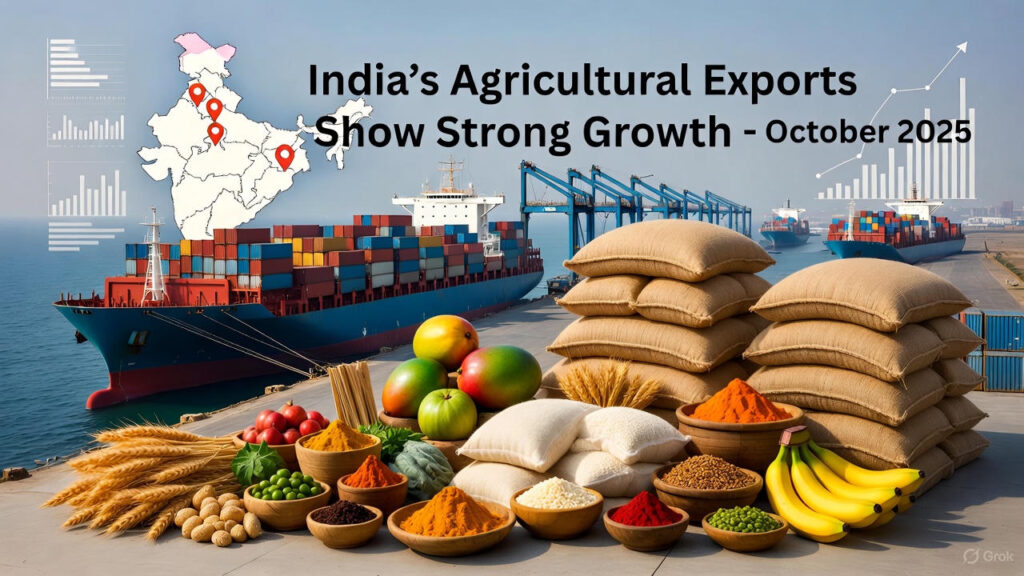
The Union Budget 2026-27 has generated discussion regarding allocation for agriculture. Beyond the core provisions are deeper policy signals that shape export competitiveness, logistics efficiency, regulatory convenience and trade readiness.
In an environment of geopolitical tensions, supply chain disruptions and tightening sanitary and phytosanitary (SPS) standards, competitiveness depends not only on production but also on compliance capacity, infrastructure and institutional coordination. Viewed from this perspective, the Budget reflects a gradual shift towards a more market and trade-oriented agriculture strategy.
High value agriculture and export orientation
Increased outlay for RKVY and Krishnanati The plan – 22.14 per cent higher and 64.71 per cent higher than the revised estimates for 2025-26 – signals continued emphasis on productivity, diversification and structural transformation. Allocation of Rs. Rs 350 crore for high-value crops like coconut, cashew, cocoa and sandalwood, as well as region-specific support for agarwood and walnut crops in the north-east and hill states, reflect a streamlined move towards differentiated, value-chain oriented production rather than bulk commodity expansion.
Coconut remains a major livelihood crop, concentrated in Kerala, Karnataka, Tamil Nadu and Andhra Pradesh. In 2023-24, exports of coconut products to reach Rs. Including Rs 3,469.44 crore. Rs 187.48 crore from dried coconut. Rs 334.23 crore from fresh coconut. However, declining productivity in traditional areas threatens continued competitiveness, making plantation rejuvenation strategically important.
The cashew value chain presents a structural paradox. India ranked fourth globally in cashew production in 2024, yet ranked twelfth among major importers, reflecting issues of raw material shortage and processing competitiveness. With demand projected to grow at about 8 percent annually, processors remain dependent on imported raw cashews. Similarly, cocoa cultivation is expanding, especially as intercrops with areca nut and coconut, but imports remain important. Hence budgetary allocation for cashew and cocoa is strategically important. It aims not only to increase domestic production and reduce import dependence but also to strengthen export position in high value plantation crops.
Infrastructure and logistics as trade enablers
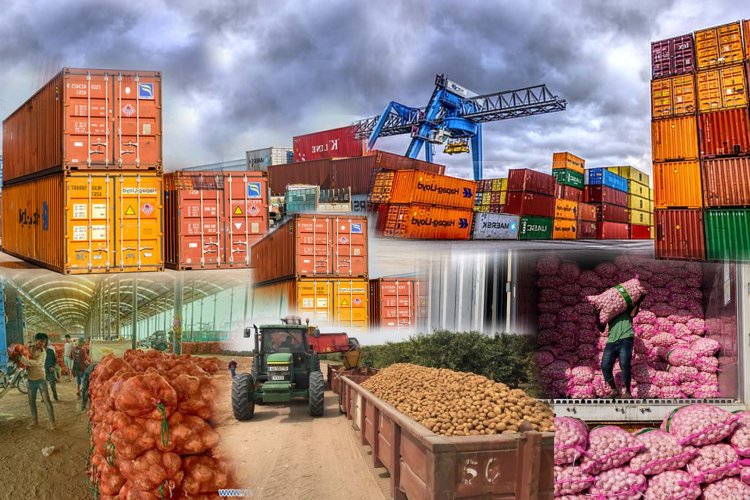
For perishable agricultural commodities, logistics efficiency often determines market success. The Budget’s continued emphasis on dedicated freight corridors, inland waterways and coastal cargo transportation is a step towards reducing logistics bottlenecks.
At present, a large portion of agricultural produce in India is transported over long distances by road, primarily through trucks. While road transport provides flexibility, it is often time-consuming, fuel-intensive and vulnerable to congestion-related delays. For export-oriented perishable commodities such as fruits, vegetables, marine products and floriculture, such delays lead to high wastage, deterioration in quality and increased logistics costs.
India’s inland waterway network extends over 20,000 km but is underutilized for agri-movement. Diversifying freight beyond road transport can reduce costs, improve reliability and stabilize supply chains. Improved connectivity between production clusters, processing centers and export gateways strengthens price competitiveness and supports deeper integration into global markets.
Value Addition and Processing: Beyond Raw Exports
Fisheries have been one of the strongest growth drivers in the allied sectors. According to the Economic Survey 2025-26, between FY2016 and FY25, agriculture and allied activities grew at 4.45 per cent annually, with fisheries and aquaculture expanding at 8.8 per cent. Increasing the duty-free import limit from 1 percent to 3 percent for specific inputs used in seafood processing encourages greater processing depth. This matters because India’s position in seaborne trade increasingly depends on processed and ready-to-cook products rather than unprocessed shipments.
Another important emphasis is on AYUSH and processing of traditional medicinal crops. India exported about 129 thousand tonnes of AYUSH and herbal plant products, valued at US$ 689 million, in 2024-25. Continued growth in this sector requires strong quality assurance, testing infrastructure and regulatory credibility. The proposed upgrading of pharmacies and drug-testing laboratories, along with stronger certification systems, directly strengthens this compliance framework. In markets with stringent quality and safety standards, processing advantages translate into sustained market access only when supported by the enforcement of reliable standards.
The proposed setting up of Self-Help Entrepreneur (SHE) Mart at the cluster level offers a local platform for branding, aggregation and retailing of processed products. Aimed at strengthening rural entrepreneurship, such platforms can also enhance product differentiation and market preparedness, which is important for connecting small-scale producers to premium domestic and export markets.
Together, these measures highlight a shift toward price capture rather than volume expansion.
Digital Business Facilitation and System Integration
The implementation of the Customs Integrated System (CIS) represents a significant improvement in trade facilitation. As an integrated digital platform, CIS aims to streamline clearance for food, plant and animal products – these categories account for approximately 70 percent of prohibited consignments. Expanded use of non-intrusive scanning and AI-based risk assessment can reduce inspection delays and minimize disruption to perishable shipments. For agri-exports, where delays directly impact quality and shelf life, faster and more predictable clearance processes strengthen credibility in global markets.
Upstream digital initiatives like Bharat-Vistaar, integrating AgriStack portals with ICAR’s package of practices, aim to improve dissemination of production information. Although primarily production-oriented, improved access to standardized information can indirectly strengthen quality compliance at the source.
Overall, these initiatives indicate progress towards strengthening both production-side information systems and border-side clearance processes. Although these operate at different points in the value chain, greater coordination between them over time can increase overall export readiness.
Changes in the regulatory environment
Production and processing benefits translate into export benefits only within an enabling regulatory framework. Exemption from customs duty on fishing by Indian vessels operating in the Exclusive Economic Zone (EEZ) and high seas reduces operational costs and improves the feasibility of deep sea fishing. Given the importance of seaborne exports, such rationalization strengthens competitiveness at the source.
Strengthening business architecture: strategic priorities
Institutional strengthening will be essential to translate these policy signals into sustained export gains. First, agricultural market information should be more organized. Exporters need timely information about tariff changes, non-tariff measures, sustainability standards and competitive activities to anticipate market changes rather than reacting late. Second, quality and standards infrastructure must keep pace with production expansion. Accredited laboratories, residue monitoring systems and harmonized standards are central to maintaining credibility in high-value export markets. Third, export preparedness requires stronger coordination across states. Aligning state-level export strategies with central trade initiatives and commodity-specific value chains will improve coherence and accountability. Fourth, digital systems should be leveraged to reduce transaction costs and strengthen documentation and traceability processes in trade.
conclusion
The Union Budget 2026-27 reflects a gradual but clear shift in agricultural policy from production expansion towards value addition, logistics efficiency and institutional modernisation. If supported by strong market intelligence, credible standards governance and coordinated export strategies, these measures can help India move beyond bulk commodity trade towards diversified, value-added and globally competitive agricultural exports. In an increasingly complex trade environment, competitiveness will depend not only on how much India produces, but also on how effectively its systems support market access.
(Smita Sirohi is National Professor, MS Swaminathan Chair, ICAR and Pavitra Srinivasmurthy is Senior Scientist, ICAR-National Institute of Agricultural Economics and Policy Research (NIAP), New Delhi)